

The Intersection of Nordic Simplicity and Landed Grandeur
At ARTrend, we have spent four decades redefining the Singaporean residential landscape. For homeowners of landed properties, whether terrace, semi-detached, or detached houses, the challenge is often how to fill expansive volumes of space without losing the sense of intimacy and warmth. This is why we champion the scandinavian landed house interior as a premier design solution in 2026.
What is a Scandinavian Landed House Interior?
A scandinavian landed house interior is a high-end design philosophy that adapts traditional Nordic principles, functionality, light, and natural materiality, to the large-scale architectural frameworks of Singaporean landed homes. Unlike the “Scandi-industrial” trends seen in smaller apartments, a landed Scandi interior focuses on grand minimalism. It utilizes the property’s high ceilings, multiple floors, and outdoor-indoor connectivity to create a sanctuary of “Hygge” (cozy contentment) on a monumental scale. We emphasize a palette of muted tones, organic textures, and “soft luxury” to ensure these large spaces feel grounded and welcoming.
Why Choose Scandinavian Design for Landed Properties?
When we analyze the floor plans of landed houses in areas like Luxus Hills or Mugliston Park, we see a recurring opportunity for light and air. The Scandinavian style is the perfect vehicle to exploit these features.
| Feature | Landed Property Benefit | Scandinavian Implementation |
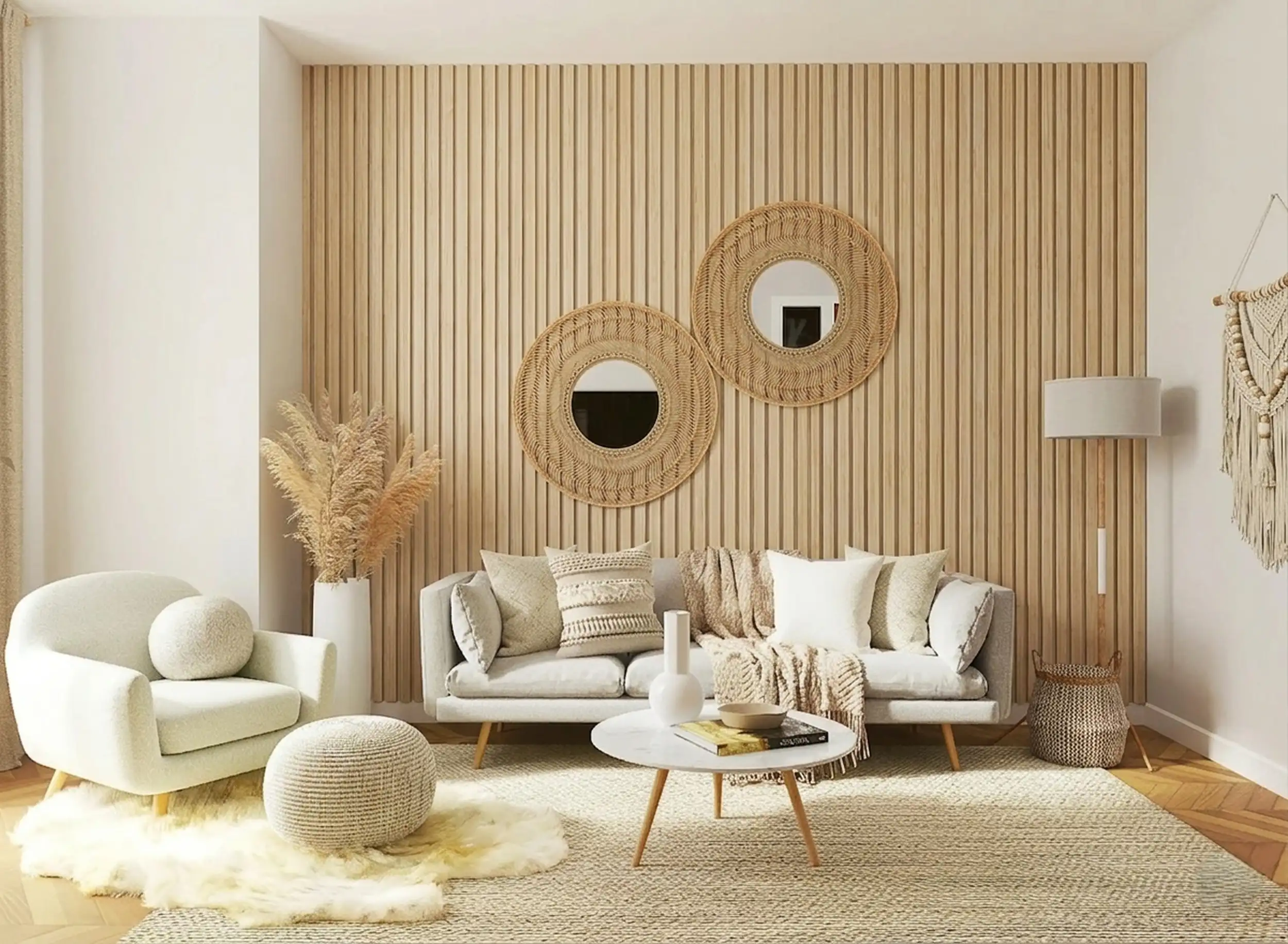
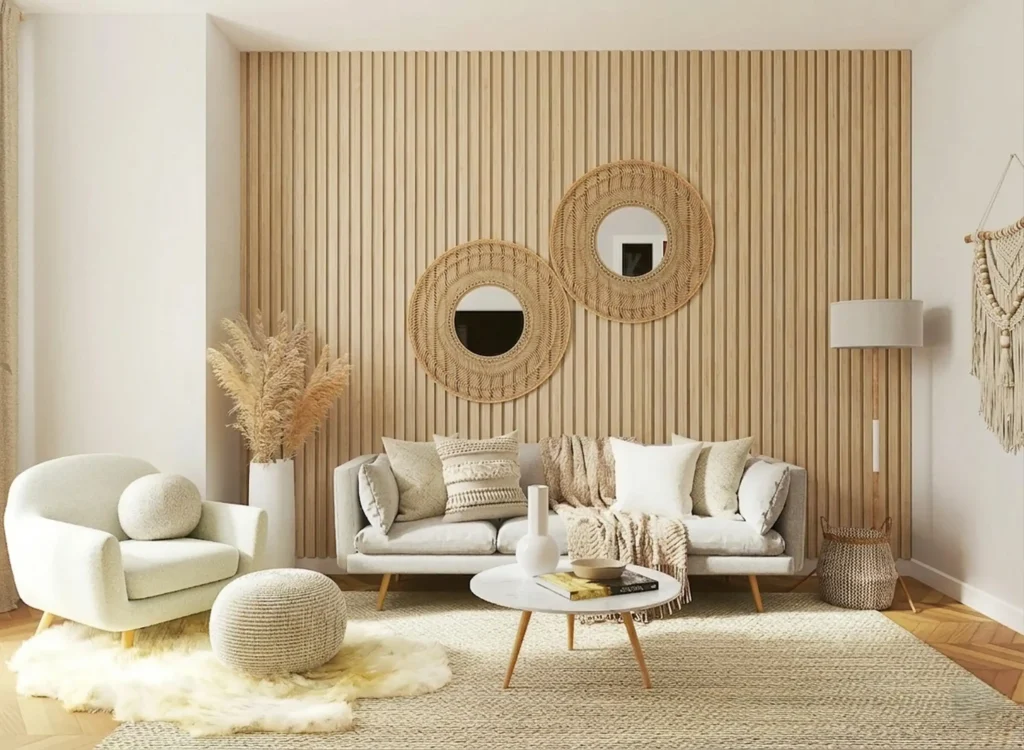
| High Ceilings | Creates a sense of awe and vertical volume. | We use tall, minimalist shelving and light-colored wood paneling to accentuate height while maintaining warmth. |
| Natural Light | Large window apertures and air wells. | We employ sheer treatments and reflective natural surfaces (like light oak) to bounce light throughout the floor. |
| Outdoor Space | Integration with gardens or patios. | We use biophilic design, bringing greenery and natural stone indoors to blur the boundary between the garden and the living room. |
| Multi-Generational Living | Multiple zones for different family members. | We design modular, functional spaces that look cohesive but serve diverse needs, from study nooks to entertainment halls. |
A stress-free renovation starts with realistic expectations. Before you begin your journey, ensure you are well-informed by reading our comprehensive guide on the renovation timeline for HDB flats in Singapore.
The 5 Pillars of a Premium Scandinavian Landed Interior
To achieve a result that is both authoritative and breath-taking, our design team focuses on five core pillars specifically tailored for the scandinavian landed house interior.
1. Architectural Materiality: The Use of Light Wood and Stone
In a landed home, the choice of materials must carry weight. We move away from flimsy laminates and toward solid, sustainably sourced light woods like Ash, White Oak, and Pine. In our in-house carpentry workshop, we craft bespoke feature walls and staircases that showcase the raw grain of the timber. We often pair these with light-toned natural stones (such as travertine) to ground the Nordic aesthetic in a sense of permanent luxury.
2. The “Hygge” Scale: Creating Intimate Zones in Grand Rooms
A common pitfall in large houses is the “echo chamber” effect. We solve this by creating “pockets of cozy.” In a large Scandinavian living hall, we use oversized, low-profile sofas in neutral linens and layer them with textured rugs to define a conversation zone. This ensures that even in a 3,000-square-foot floor plan, you always feel “held” by the design.
3. Intentional Minimalism: The “Lagom” Principle
“Lagom” is the Swedish concept of “just the right amount.” For a scandinavian landed house interior, this means every piece of furniture is a statement of intent. We avoid cluttering large rooms with small trinkets. Instead, we select one or two large-scale art pieces or a singular designer lighting fixture to serve as the focal point, allowing the negative space to “breathe.”
4. Advanced Lighting Layers for Tropical Evenings
While Scandinavian design is born from a need for light during dark winters, in Singapore, we use it to manage the transition from bright tropical days to intimate evenings. We integrate smart lighting systems that transition from 4000K (cool white) for functional daytime tasks to a warm 2700K (candlelight glow) for the evening, highlighting the custom wood textures we build into your walls.
5. Biophilic Connectivity
True Scandinavian design is inseparable from nature. For landed properties, we utilize the property’s footprint to create indoor-outdoor flow. This might involve floor-to-ceiling glass sliding doors that lead to a Zen-inspired Scandinavian garden, or internal air wells filled with sustainable greenery that purifies the air and provides a visual “coolness” to the interior.
Final Thoughts: Your Vision, Our Legacy
A Scandinavian landed house interior is more than a design style. It is a way of living:
- simple
- intentional
- connected to nature
With the right approach, we can turn any landed home into a calm, elegant sanctuary.
With a portfolio that includes prestigious projects like the Modern Oriental Landed Property @ Bloxhome Drive and Resort-Style Landed Property @ Mugliston Park, ARTrend is the definitive expert in large-scale residential transformations. We understand that a scandinavian landed house interior is not just an aesthetic choice; it is a lifestyle investment.
Our commitment to Integrity, Quality, and Service ensures that your renovation is handled with the professionalism that a landed property deserves. We don’t just build rooms; we create environments that inspire interaction, boost well-being, and stand as a testament to timeless design.
Discover the full potential of your property by visiting our residential interior design page to view our latest landed house transformations.
Contact ARTrend Today for a professional consultation, and let us bring the calm, luxurious essence of Scandinavia to your Singaporean home.
Frequently Asked Questions (FAQs)
How does Scandinavian design differ between an HDB and a Landed House?
While both prioritize function and light, a scandinavian landed house interior focuses on scale and materiality. In an HDB, the focus is on “saving” space; in a landed house, the focus is on “shaping” space. We use larger furniture, more expansive custom carpentry, and premium natural materials like solid timber and stone that might be too heavy or bulky for apartment living.
Can I combine Scandinavian design with other styles, like “Modern Oriental”?
Yes. At ARTrend, we often create “Japandi” or “Modern Oriental Scandi” fusions. This involves taking the clean lines of Nordic design and infusing them with Asian textures like rattan, bamboo, or dark wood accents. This hybrid approach is particularly popular for landed houses in Singapore as it pays homage to local heritage while maintaining a modern, airy feel.
Why is in-house carpentry important for a Scandinavian interior?
Scandinavian design relies on seamless joints and hidden storage. Off-the-shelf furniture rarely fits the unique alcoves or high ceilings of a landed property perfectly. Our in-house carpentry workshop allows us to build floor-to-ceiling wardrobes and integrated shelving units that look like part of the original architecture, maintaining the “clutter-free” hallmark of the style.
What color palette works best for a large Scandinavian living room in Singapore?
We recommend a base of Off-White or “Greige” (a mix of grey and beige). To prevent the space from looking cold, we layer in “warm neutrals” like sandy tones, terracotta accents, and the natural honey-hued tones of light oak. This creates a soft, sun-drenched atmosphere that feels fresh even in the heat of midday.
What materials are used in Scandinavian interiors?
Common materials include light wood, linen, cotton, wool, and stone.
How does Scandinavian design differ between an HDB and a Landed House?
While both prioritize function and light, a scandinavian landed house interior focuses on scale and materiality. In an HDB, the focus is on “saving” space; in a landed house, the focus is on “shaping” space. We use larger furniture, more expansive custom carpentry, and premium natural materials like solid timber and stone that might be too heavy or bulky for apartment living.
Can I combine Scandinavian design with other styles, like “Modern Oriental”?
Yes. At ARTrend, we often create “Japandi” or “Modern Oriental Scandi” fusions. This involves taking the clean lines of Nordic design and infusing them with Asian textures like rattan, bamboo, or dark wood accents. This hybrid approach is particularly popular for landed houses in Singapore as it pays homage to local heritage while maintaining a modern, airy feel.
Why is in-house carpentry important for a Scandinavian interior?
Scandinavian design relies on seamless joints and hidden storage. Off-the-shelf furniture rarely fits the unique alcoves or high ceilings of a landed property perfectly. Our in-house carpentry workshop allows us to build floor-to-ceiling wardrobes and integrated shelving units that look like part of the original architecture, maintaining the “clutter-free” hallmark of the style.
What color palette works best for a large Scandinavian living room in Singapore?
We recommend a base of Off-White or “Greige” (a mix of grey and beige). To prevent the space from looking cold, we layer in “warm neutrals” like sandy tones, terracotta accents, and the natural honey-hued tones of light oak. This creates a soft, sun-drenched atmosphere that feels fresh even in the heat of midday.
What materials are used in Scandinavian interiors?
Common materials include light wood, linen, cotton, wool, and stone.