


Retail renovation in Singapore refers to the process of redesigning, upgrading, or rebuilding retail spaces, such as shops, boutiques, cafes, and showrooms, to improve customer experience, operational flow, brand perception, and sales performance while complying with local regulations.
In simple terms, retail renovation isn’t just about making a shop look nicer. It’s about making the space work better for both customers and staff. In a competitive retail environment like Singapore, where rental costs are high and consumer attention spans are short, how your store looks and functions directly affects revenue.
At ARTrend Interior Design, we’ve worked on retail renovation in Singapore across malls, shophouses, and mixed-use developments. One thing is consistent: successful retail spaces are planned strategically, not decorated impulsively.
What Makes Retail Renovation in Singapore Different
Retail renovation here is not the same as in other countries. There are unique local factors.
Regulatory Environment
Retail renovation in Singapore must comply with:
- BCA building regulations.
- SCDF fire safety requirements.
- Mall management guidelines.
- URA zoning controls (for certain trades)
Missing any of these can delay opening and increase costs.
Space Efficiency Pressure
Most retail units are compact. That means:
- Every square metre must generate value.
- Poor layout hurts both sales and operations.
- Storage, display, and circulation must coexist carefully.
This is why retail renovation in Singapore requires strong space planning, not just visual design.
Core Goals of a Successful Retail Renovation
A well-executed retail renovation in Singapore should achieve these outcomes:
- Clear customer flow from entrance to checkout.
- Strong brand visibility within first 5 seconds.
- Comfortable browsing without congestion.
- Efficient staff workflow behind the scenes.
- Flexibility for future product or layout changes.
If a renovation doesn’t improve at least three of these, it’s usually not doing its job.
Step-by-Step Retail Renovation Process in Singapore
Step 1: Define the Business Objective
Before design starts, ask:
- Are we rebranding or refreshing?
- Do we want higher footfall or higher conversion?
- Are we changing our product mix?
Retail renovation in Singapore must align with business goals, not just aesthetics.
Step 2: Site Study & Measurement
This includes:
- Existing structure constraints.
- Ceiling height and services.
- Fire escape routes.
- Power and plumbing points.
Skipping this step leads to costly redesigns later.
Step 3: Layout & Customer Flow Planning
This is where many retail projects succeed or fail.
Good layout planning considers:
- Entry impact zone.
- Main circulation path.
- Feature display placement.
- Checkout visibility.
We often map customer movement before drawing any walls.
Step 4: Design Development & Cost Control
Design must balance:
- Brand image.
- Buildability.
- Budget realism.
Over-designing is one of the most common retail renovation mistakes in Singapore.
Step 5: Authority Submissions & Construction
Retail renovation here often involves:
- Fire safety plans.
- Mall submission approvals.
- After-hours construction coordination.
This stage requires experience with local processes.
Retail Renovation vs Poor Planning: A Quick Comparison
Element Poor Retail Renovation Effective Retail Renovation Layout Confusing circulation Clear customer flow Display Overcrowded shelves Focused product zoning Lighting Flat, dull lighting Layered retail lighting Branding Logo only Brand experience Operations Staff congestion Efficient workflow
Common Mistakes in Retail Renovation in Singapore
| Element | Poor Retail Renovation | Effective Retail Renovation |
|---|---|---|
| Layout | Confusing circulation | Clear customer flow |
| Display | Overcrowded shelves | Focused product zoning |
| Lighting | Flat, dull lighting | Layered retail lighting |
| Branding | Logo only | Brand experience |
| Operations | Staff congestion | Efficient workflow |
Even experienced retailers make these mistakes:
- Copying overseas store concepts without local adaptation.
- Prioritising looks over maintenance practicality.
- Ignoring staff workflow.
- Underestimating approval timelines.
- Renovating without a long-term plan.
Retail renovation in Singapore punishes rushed decisions.
Real Observations From Retail Projects
From our internal project reviews at ARTrend:
- Stores that planned layout before design had smoother openings.
- Retail units under 1,000 sqft benefited most from custom carpentry.
- Clear lighting strategy improved perceived store size.
- Projects with phased renovation plans stayed closer to budget.
One key insight: stores renovated with business metrics in mind performed better post-launch.
Retail Renovation Cost Factors in Singapore
Retail renovation cost varies, but major factors include:
- Unit condition (bare vs existing fit-out).
- Complexity of carpentry.
- Lighting and electrical load.
- Approval requirements.
- Timeline constraints.
Retail renovation in Singapore is not cheap, which is why planning accuracy matters.
How Retail Renovation Connects to Commercial Interior Strategy
Retail renovation is part of a larger commercial interior strategy. Many of the same planning principles apply across offices, F&B, and service spaces.
For a deeper look at the structured approach behind successful projects, we recommend reading how to plan commercial interior renovation, which explains planning logic in detail.
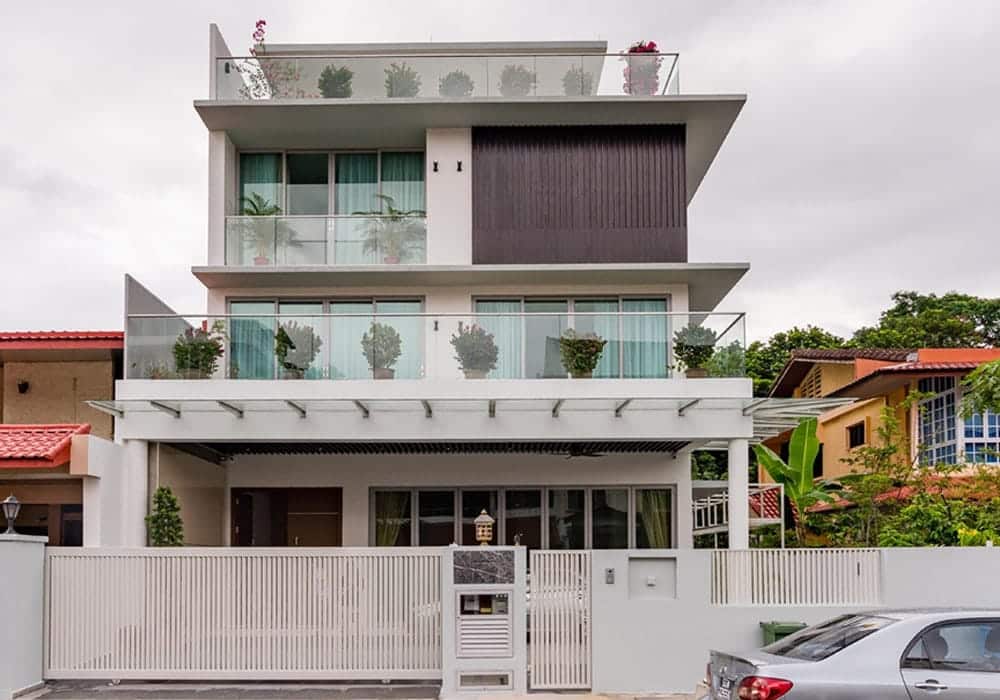
How ARTrend Approaches Retail Renovation in Singapore
At ARTrend Interior Design, we approach retail renovation in Singapore with a clear framework:
- Business-first space planning.
- Brand-aligned interior concepts.
- Regulatory-ready documentation.
- Practical material selection.
- Long-term operational thinking.
Our experience across retail, office, and commercial interiors allows us to design spaces that don’t just look good, but perform.
Actionable Checklist Before Starting Retail Renovation
Before committing, make sure you can answer these:
- What business problem is this renovation solving?
- How will layout improve customer behaviour?
- Is the design flexible for future changes?
- Are approval timelines realistic?
- Does the budget include contingencies?
If not, pause and re-plan.
Conclusion: Retail Renovation in Singapore Is a Business Decision
Retail renovation in Singapore is not just a design exercise. It’s a business investment that affects customer perception, staff efficiency, and long-term profitability.
At ARTrend Interior Renovation, we help retailers turn physical spaces into strategic assets. If you’re planning a retail renovation, start with clarity, not trends.
FAQs (Frequently Asked Questions)
How long does retail renovation in Singapore usually take?
Typically 6–12 weeks, depending on size, approvals, and complexity.
Do I need approval for retail renovation in Singapore?
Yes. Most projects require SCDF and mall or building management approval.
Can I renovate while the shop is operating?
n some cases, phased renovation is possible, but it requires careful planning.
How much should I budget for retail renovation?
Costs vary widely, but realistic planning is more important than chasing low quotes.
When should I start planning before opening a store?
Ideally 3–4 months before your target opening date.
How long does retail renovation in Singapore usually take?
Typically 6–12 weeks, depending on size, approvals, and complexity.
Do I need approval for retail renovation in Singapore?
Yes. Most projects require SCDF and mall or building management approval.
Can I renovate while the shop is operating?
n some cases, phased renovation is possible, but it requires careful planning.
How much should I budget for retail renovation?
Costs vary widely, but realistic planning is more important than chasing low quotes.
When should I start planning before opening a store?
Ideally 3–4 months before your target opening date.