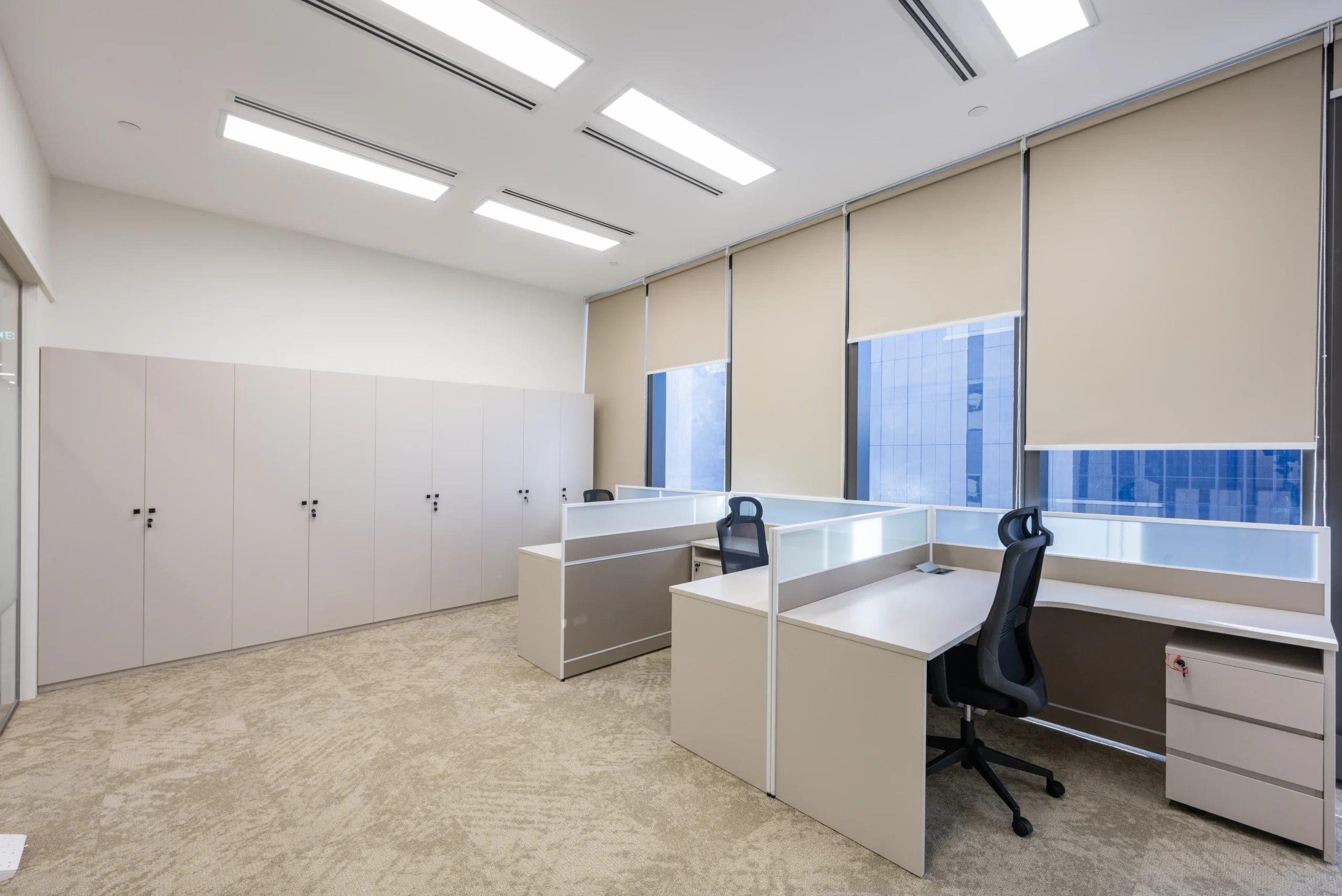
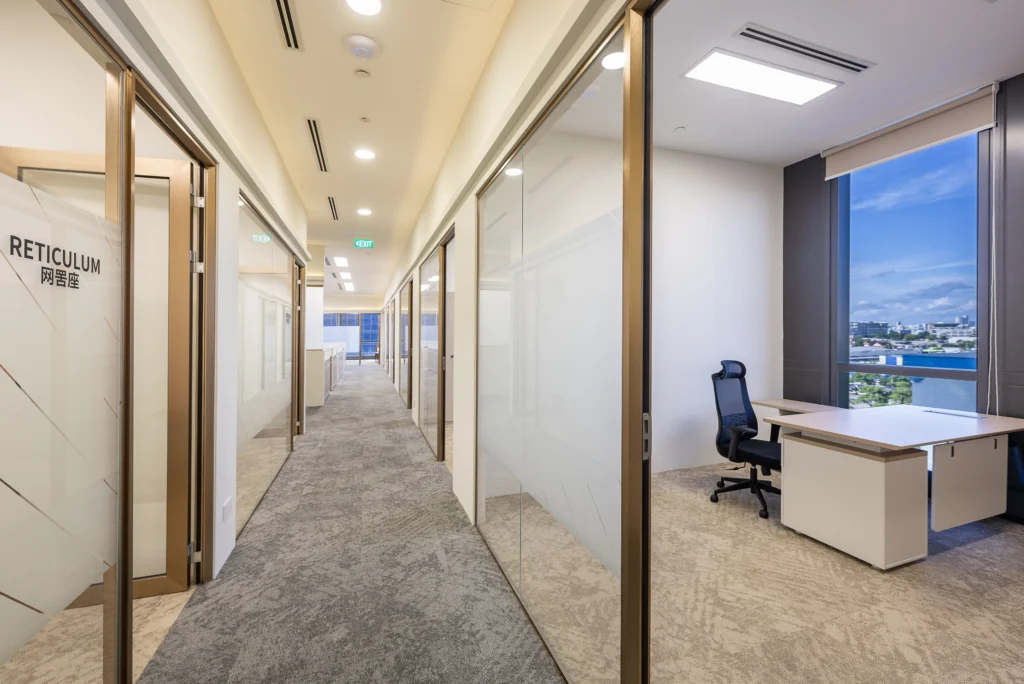
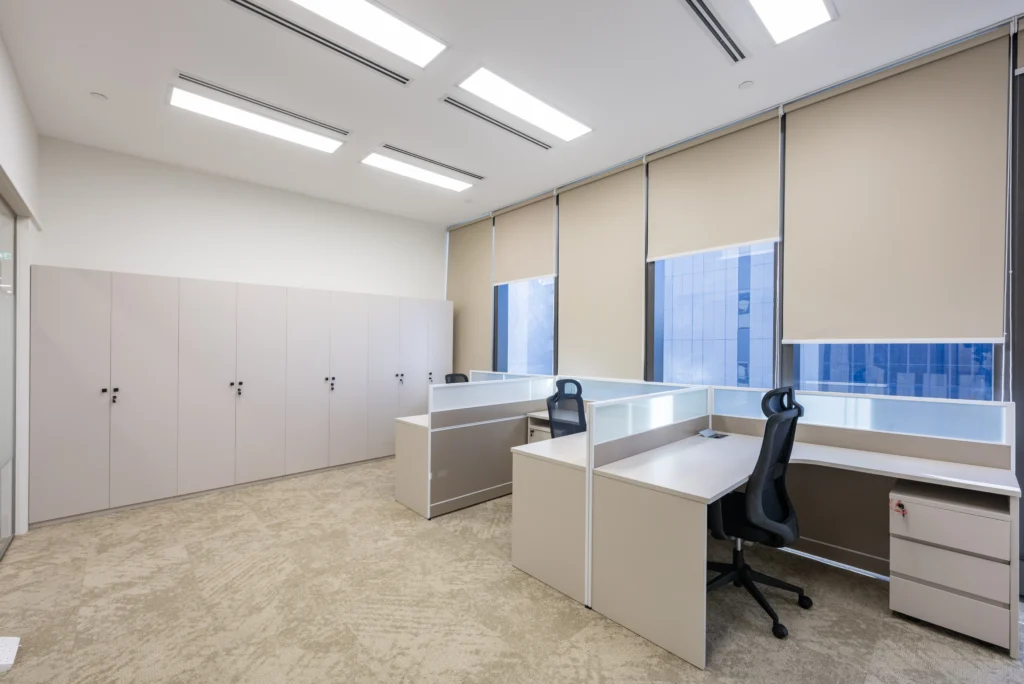
Modern workspace design Singapore is a strategic approach to office planning that integrates flexible layouts, smart technology, ergonomic furniture, and strong brand identity to create productive, healthy, and future-ready work environments.
In today’s hybrid work era and fast digital transformation, modern workspace design Singapore is no longer just about visual appearance. It has become a core business strategy to improve operational efficiency, employee engagement, and long-term business competitiveness.
Companies that implement modern workspace design Singapore consistently achieve the following benefits:
Higher employee productivity
Lower long-term operational costs
Stronger professional brand image
Better employee comfort and retention
What Is Modern Workspace Design Singapore and Why It Matters
Modern workspace design Singapore refers to a comprehensive office interior planning system that prioritizes work flexibility, space efficiency, ergonomic performance, digital integration, and corporate branding. Unlike conventional offices that rely on fixed desks and rigid layouts, modern workspace design Singapore adopts activity-based working. Each zone is designed based on specific work functions and employee behavior.
Typical zones found in modern workspaces include:
Focus zone
Collaboration zone
Discussion pods
Relaxation area
Executive workstation
This zoning system supports both deep-focus tasks and team-based collaboration in one integrated environment.
Key Features of Modern Workspace Design Singapore
Smart Space Planning
Smart space planning is the foundation of modern workspace design. It focuses on arranging the office layout based on workflow efficiency, employee movement, and functional needs rather than just filling the space with desks. The goal is to eliminate wasted areas while ensuring smooth circulation between departments and work zones.
With smart space planning, employees can move more efficiently between meeting rooms, workstations, and collaboration areas without congestion. It also ensures that high-traffic zones such as discussion rooms, printers, and pantry areas are positioned strategically so they do not disrupt focused work. This approach helps companies maximize every square foot of office space, which is especially critical in Singapore where commercial space costs are high.
Ergonomic Furniture System
Ergonomic office chairs support the spine, lower back, and neck to reduce fatigue and improve sitting posture throughout the workday.
Height-adjustable desks allow employees to switch between sitting and standing positions, improving blood circulation and reducing the risks associated with prolonged sitting.
Flexible monitor arms enable users to adjust screen height and viewing angles, preventing eye strain and neck tension.
Hybrid Work Infrastructure
Hybrid work infrastructure supports both in-office employees and remote team members. It allows seamless collaboration regardless of physical location and has become essential in modern office environments.
Video conferencing rooms
Soundproof meeting pods
Secure cloud-based access systems
Biophilic and Wellness Design
Indoor greenery
Maximum natural light intake
Optimized air circulation
Brand-Oriented Interior Concept
A brand-oriented interior concept transforms the office into a physical representation of the company’s identity, values, and culture. The office design communicates the brand image not only to employees but also to clients and business partners.
Office colors are chosen to reflect brand personality, whether it is professional, creative, modern, or innovative. Materials such as wood, glass, metal, or textured surfaces are selected to align with the company’s image. The layout also supports how the company operates, whether it is open and collaborative or structured and executive-focused. A strong brand-oriented interior enhances company credibility, strengthens corporate identity, and creates a memorable impression for visitors and clients.
Statistics and Industry Data Supporting Modern Workspace Design
Based on Southeast Asian workplace performance studies:
Companies adopting modern workspace design report productivity increases of up to 21 percent
Employee absenteeism drops by up to 18 percent
Staff retention improves by up to 25 percent
Flexible layouts reduce overall space requirement by approximately 30 percent
These statistics clearly demonstrate that modern workspace design Singapore directly influences business growth and workforce stability.
Office Layout Types in Modern Workspace Design Singapore
Layout Type
Suitable For
Key Advantage
Open Office
Startups and creative agencies
High collaboration
Hybrid Office
Technology companies
Flexible workflow
Executive Suite
Management and directors
Privacy and authority
Coworking Model
Growing businesses
High scalability
Activity-Based Working
Multinational corporations
Maximum efficiency
Step-by-Step Implementation of Modern Workspace Design Singapore
Step 1 Workplace Audit
Purpose: To understand how the team works and how efficiently the current space is being used. Key Activities: Reviewing daily workflows, measuring usable space, assessing existing furniture and technology systems, and identifying operational challenges. Outcome: A clear overview of current workspace performance and a foundation for accurate planning and redesign.
Step 2 Space Zoning
Purpose: To organize the office into functional areas based on different types of work activities. Key Activities: Defining focus zones, collaboration areas, relaxation spaces, meeting rooms, and technical support areas to improve workflow efficiency and reduce disruption. Outcome: A structured zoning layout that supports productivity, comfort, and smooth movement throughout the office.
Step 3 3D Design and Visualization
Purpose: To translate space planning into a realistic visual concept before construction begins. Key Activities: Creating 3D renderings, simulating lighting effects, selecting materials and finishes, and testing acoustic and furniture layouts virtually. Outcome: A complete visual representation of the future workspace that allows clients to review, refine, and approve the design with confidence.
Step 4 Construction and Fit-Out Execution
Purpose: To transform the approved design into a fully functional and compliant workspace. Key Activities: Coordinating contractors, managing construction schedules, supervising workmanship quality, and ensuring compliance with building regulations, electrical safety, and fire safety standards. Outcome: A completed office space delivered on time, safe for occupancy, and fully aligned with the approved design specifications.
Why Modern Workspace Design Singapore Is Crucial for Business Growth
Modern workspace design Singapore directly impacts business performance through:
Faster decision-making
Stronger team collaboration
Higher client confidence
Improved cost efficiency
Companies still operating in outdated office environments face higher stress levels among employees, reduced productivity, and increasing difficulty in retaining younger talent.
Brand Authority and Industry Expertise
As a leading commercial interior specialist in Singapore, ARTrend has delivered a wide range of modern workspace design Singapore projects across:
Corporate offices
Technology firms
Retail spaces
Large-scale commercial environments
Their expertise covers strategic space planning, professional construction, regulatory compliance, and productivity-focused interior solutions.
Common Mistakes in Modern Workspace Design Singapore
Ignoring acoustic control
Poor lighting planning
Untidy power and data cabling
Excessive decoration without functional value
Failure to consider company work culture
Conclusion: Why Modern Workspace Design Singapore Is a Smart Investment
Modern workspace design Singapore is not merely an interior design upgrade. It is a strategic business investment that enhances productivity, strengthens brand reputation, and creates a healthier, more sustainable working environment for long-term growth.
For direct consultation, site assessment, or an official quotation, please reach out to our professional team through our official contact page. Our specialists are ready to provide personalized guidance and help you plan your workspace transformation with confidence.
FAQs (Frequently Asked Questions)
Is modern workspace design suitable for small offices
Yes. Small offices benefit significantly from efficient zoning, vertical space optimization, and ergonomic layouts.
How long does a modern office renovation take
On average, renovation takes between six and twelve weeks depending on project size and complexity.
Does modern workspace design improve productivity
Yes. Studies consistently show productivity improvements of twenty to twenty-five percent.
What is modern workspace design Singapore
Modern workspace design Singapore is a workplace planning concept that integrates flexibility, technology, ergonomics, and branding into one unified office system.
Can modern workspace design be applied to old offices
Yes. Existing offices can be upgraded through interior retrofitting and layout reconfiguration.