

Modern Chinese Style Interior Design: An Overview
Modern Chinese style interior design is an interior design approach that blends traditional Chinese aesthetics with contemporary layouts, materials, and lifestyles. Instead of ornate, heavily decorated spaces, this style focuses on balance, simplicity, and cultural symbolism expressed in a modern, understated way.
In today’s homes, especially in Singapore, modern Chinese interiors are not about recreating the past. They are about interpreting it. Clean lines, functional layouts, and subtle references to heritage come together to create spaces that feel calm, grounded, and livable.
At ARTrend Interior Design, we often see homeowners drawn to modern Chinese style because it feels timeless. It respects tradition, yet fits naturally into modern apartments, landed homes, and urban living.
Why Modern Chinese Style Interior Design Is Growing in Popularity
There’s a quiet shift happening in interior design preferences. Homeowners are moving away from purely Western minimalism and looking for something that feels more personal, more rooted.
Modern Chinese style interior design answers that need.
Common reasons homeowners choose this style:
- It reflects cultural identity without feeling outdated.
- It suits modern floor plans and lifestyles.
- It emphasises calmness, balance, and flow.
- It ages well and doesn’t rely on trends.
In our experience, many clients don’t ask for “Chinese style” directly. They describe a feeling instead warm, grounded, peaceful. Modern Chinese design naturally delivers that.
Core Principles of Modern Chinese Style Interior Design
Balance and Harmony
At the heart of modern Chinese style interior design is balance—visually, spatially, and emotionally. Every element is carefully considered to create harmony between open space and solid forms, light and shadow, tradition and modern living. Rather than focusing on symmetry alone, modern Chinese interiors emphasise flow, proportion, and calm, ensuring the home feels grounded, comfortable, and naturally aligned with everyday lifestyles. This shows up in:
- Symmetrical layouts.
- Balanced furniture placement.
- A mix of solid and open spaces.
The goal is not perfection, but comfort.
Simplicity With Meaning
Unlike traditional Chinese interiors filled with heavy ornamentation, modern Chinese style is restrained. Key characteristics include:
- Clean lines.
- Minimal decorative elements.
- Purposeful use of symbolism.
Every object has a reason to be there. Nothing feels random.
Natural Materials and Textures
This reflects the broader use of natural materials in interior design, particularly in contemporary Chinese-inspired interiors featured across global design publications. Modern Chinese interiors rely heavily on natural finishes. Commonly used materials:
- Wood (dark or warm-toned).
- Stone and marble.
- Linen, silk, or textured fabrics.
These materials bring warmth and depth without overwhelming the space.
Modern Chinese Style Interior Design by Space
Living Room Design
The living room sets the tone for the entire home. Typical features include:
- Low-profile sofas with clean silhouettes.
- Wooden feature walls or screens.
- Neutral base colours with darker accents.
Furniture is often arranged to encourage conversation and openness, rather than filling every corner.
Dining Area and Social Spaces
Dining spaces in modern Chinese interiors are calm and grounded, not overly dramatic. Common elements:
- Solid wood dining tables.
- Warm, diffused lighting.
- Minimal centrepieces.
This area often becomes the emotional core of the home, especially for families who value shared meals.
Bedroom Design in Modern Chinese Style
Bedrooms follow the same principles but feel softer. Design focus:
- Muted, calming colours.
- Upholstered headboards or wooden frames.
- Minimal décor.
The bedroom is meant to feel restorative, not visually busy.
Colour Palette in Modern Chinese Style Interior Design
Colour plays a subtle but important role.
| Colour Type | Purpose |
|---|---|
| Neutrals (beige, cream, grey) | Create calm foundation |
| Dark wood tones | Add depth and grounding |
| Accent colours (black, gold, deep red) | Cultural reference without excess |
Bright red is rarely used heavily. Instead, it appears in small accents, artwork, or accessories.
Modern Chinese Style vs Traditional Chinese Interior Design
Aspect Traditional Chinese Modern Chinese Style Ornamentation Heavy, decorative Minimal, subtle Layout Formal, rigid Open, flexible Materials Dark wood, carvings Mixed materials Lifestyle fit Traditional homes Modern urban living
| Aspect | Traditional Chinese | Modern Chinese Style |
|---|---|---|
| Ornamentation | Heavy, decorative | Minimal, subtle |
| Layout | Formal, rigid | Open, flexible |
| Materials | Dark wood, carvings | Mixed materials |
| Lifestyle fit | Traditional homes | Modern urban living |
This evolution is why modern Chinese style interior design works so well today.
Integrating Modern Chinese Style Into Renovation Projects
Modern Chinese style often comes up during renovation planning, especially when homeowners want long-term value rather than seasonal trends.
For example, some homeowners begin with festive updates inspired by renovation ideas for chinese new year, then realise they want a more permanent design language that still feels culturally grounded. Modern Chinese interiors provide that continuity meaningful, but not temporary.
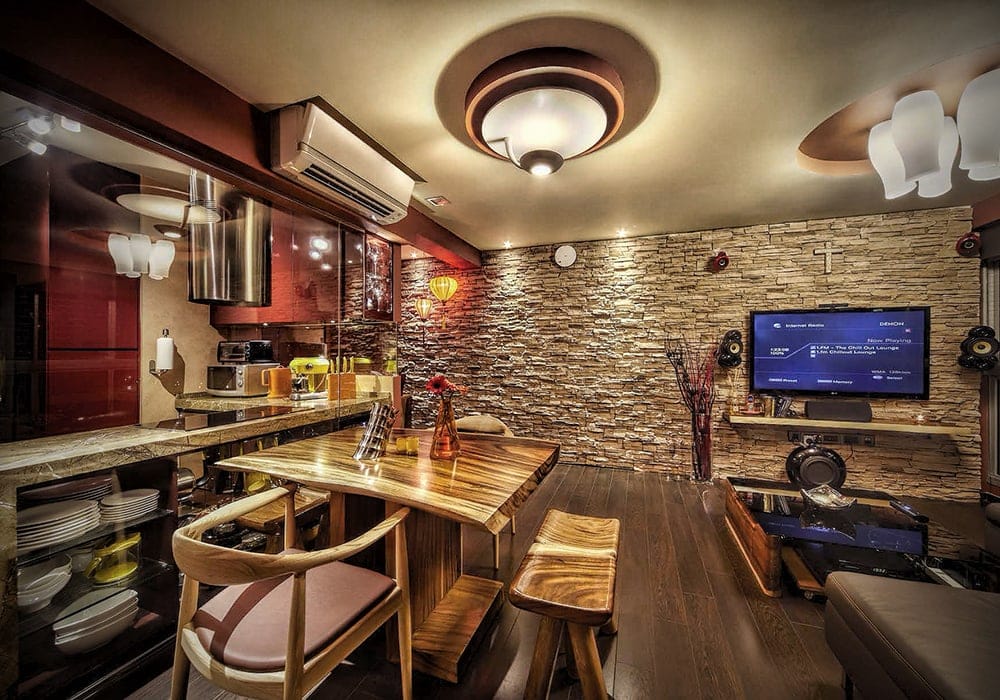
Case Insight: Modern Chinese Style in Singapore Homes
From projects handled by ARTrend, we observed:
- Around 60–70% of homeowners opting for modern Chinese elements prefer partial integration rather than full thematic design.
- Living rooms and dining areas are the most common spaces for this style.
- Custom carpentry is often prioritised over loose furniture.
This suggests homeowners want the essence of modern Chinese style, not a themed look.
Practical Steps to Achieve Modern Chinese Style Interior Design
Step-by-Step Guide
- Start with a neutral base colour.
- Choose one or two natural materials to anchor the space.
- Add subtle Chinese-inspired elements (screens, artwork, lighting).
- Keep décor minimal and intentional.
- Focus on layout and flow before decoration.
A simple approach often works best.
Common Mistakes to Avoid
- Overusing red or gold.
- Adding too many symbolic objects.
- Mixing too many styles at once.
Modern Chinese design works when it feels effortless.
Conclusion: Bringing Modern Chinese Style Interior Design Into Your Home
Modern Chinese style interior design is not about recreating tradition. It’s about carrying forward what still matters, balance, calm, and meaning, into modern living spaces. At ARTrend Interior Design, we specialise in translating cultural aesthetics into functional, contemporary interiors that suit real lifestyles in Singapore. From layout planning to custom carpentry and renovation execution, our focus is always on creating homes that feel personal and lasting.
If you’re considering modern Chinese style interior design for your home, explore how we approach thoughtful, long-term interior solutions at Interior Renovation.
Pro Tips Before You Start
- Keep the design restrained.
- Let materials do the talking.
- Focus on layout before decoration.
FAQs (Frequently Asked Questions)
What defines modern Chinese style interior design?
It blends traditional Chinese aesthetics with modern layouts, materials, and simplicity.
Is modern Chinese style suitable for small apartments?
Yes. Its minimal approach works especially well in compact spaces.
Does modern Chinese design require Feng Shui?
Not strictly. Many principles overlap naturally, but rigid rules are not mandatory.
Can modern Chinese style feel contemporary?
Absolutely. When done right, it feels timeless rather than old-fashioned.
Is custom carpentry necessary?
Not always, but it helps create cohesive and functional designs.
What defines modern Chinese style interior design?
It blends traditional Chinese aesthetics with modern layouts, materials, and simplicity.
Is modern Chinese style suitable for small apartments?
Yes. Its minimal approach works especially well in compact spaces.
Does modern Chinese design require Feng Shui?
Not strictly. Many principles overlap naturally, but rigid rules are not mandatory.
Can modern Chinese style feel contemporary?
Absolutely. When done right, it feels timeless rather than old-fashioned.
Is custom carpentry necessary?
Not always, but it helps create cohesive and functional designs.