


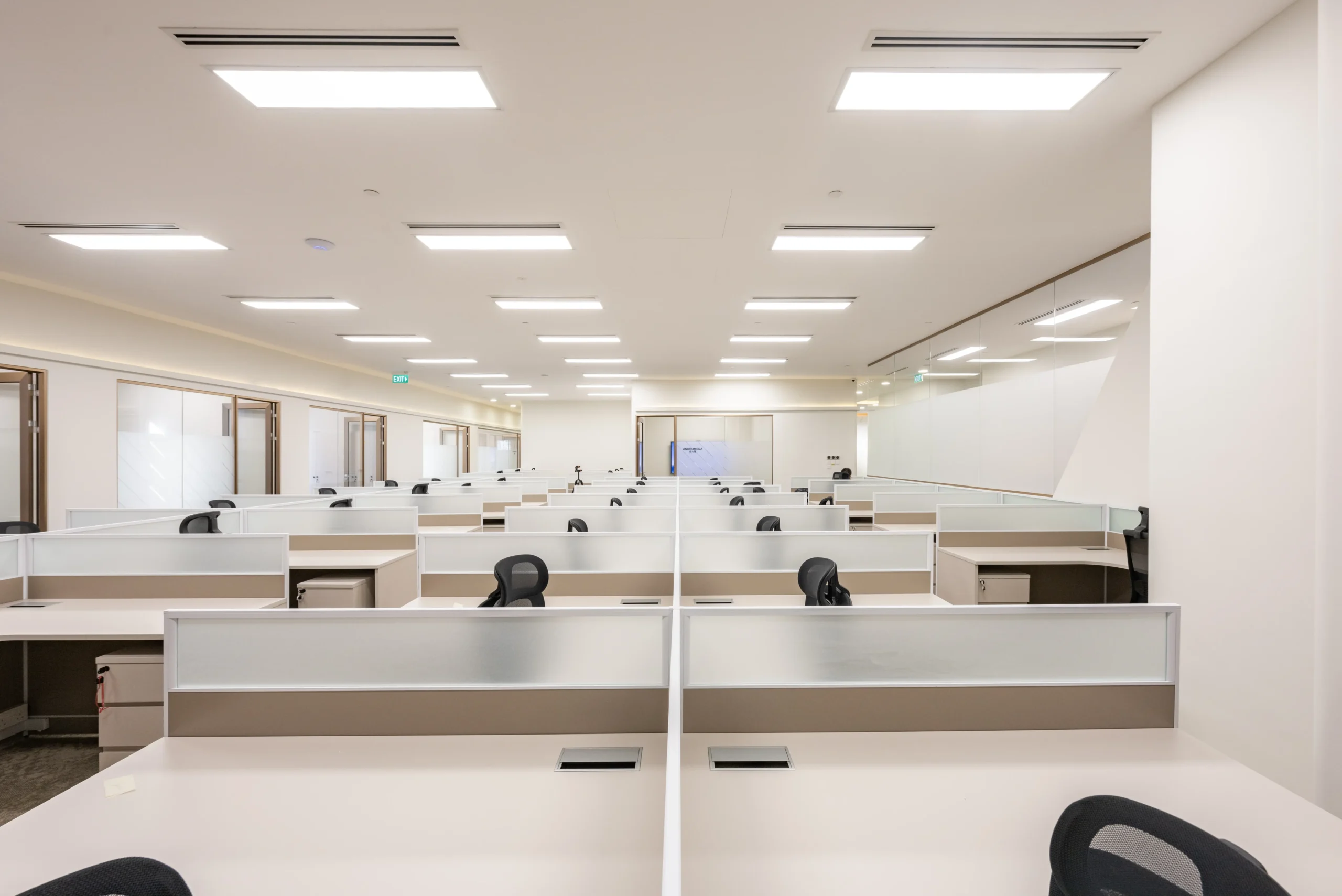
How to Plan Commercial Interior Renovation: An Overview
How to plan commercial interior renovation is the process of organising, designing, budgeting, and executing interior upgrades for commercial spaces such as offices, retail shops, F&B outlets, and showrooms, without disrupting business operations more than necessary.
In simple words, it’s not just about making a place look nicer. Commercial interior renovation is about function, branding, workflow, safety, and long-term usability. And honestly, this is where many business owners get stuck. They know something needs to change, but they’re not sure where to begin, or what to prioritise first.
We’ve seen this a lot. A business grows, staff increases, customers behave differently, but the space stays the same. Slowly, the place starts to feel tight, messy, or outdated. That’s usually the first sign that it’s time to understand how to plan commercial interior renovation properly, with clear goals and realistic timelines, rather than making rushed or impulsive renovation decisions that don’t solve the real problems.
Why Planning Matters in Commercial Interior Renovation
Commercial renovation is very different from renovating a home. Mistakes cost more, delays affect operations, and poor planning can disrupt staff productivity or customer experience.
In Singapore especially, commercial spaces come with constraints:
- Fixed handover conditions from landlords.
- Strict building management rules.
- Limited renovation hours.
- Tight timelines due to lease periods.
Without a clear plan, renovation quickly becomes stressful and expensive. Knowing how to plan commercial interior renovation helps business owners make better decisions early, when changes are still affordable.
Step 1: Define the Purpose of Your Commercial Renovation
Before talking about design or budget, we always ask one basic question: why are you renovating? Understanding this early is a crucial part of how to plan commercial interior renovation properly. Some businesses renovate to improve workflow, others to attract more customers, and some simply because the space no longer supports daily operations. When the purpose isn’t clear, renovation decisions tend to become reactive, and costs can quietly spiral without delivering real improvements.
Common reasons include:
- Business expansion or downsizing.
- Rebranding or repositioning.
- Improving staff workflow.
- Enhancing customer experience.
- Compliance with safety or building regulations.
A renovation for branding looks very different from one meant to improve productivity. This first step shapes every decision after.
Ask Yourself:
- Who uses this space daily?.
- What’s not working right now?.
- What should improve after renovation?.
Skipping this step usually leads to confused layouts and wasted budget.
Step 2: Set a Realistic Renovation Budget
Budgeting is where planning becomes real. Many people underestimate this part.
A commercial renovation budget should include:
- Design and consultancy fees.
- Carpentry and construction.
- Electrical, lighting, and air-conditioning.
- Permits and approvals.
- Furniture and loose items.
- Contingency (usually 10–15%).
Typical Cost Breakdown (Example)
| Component | % of Budget |
|---|---|
| Construction & Carpentry | 45–55% |
| M&E (Electrical, AC) | 15–20% |
| Furniture & Fixtures | 10–15% |
| Design & Project Mgmt | 8–12% |
| Contingency | 10% |
From our experience, projects that run over budget often didn’t plan contingency properly.
Step 3: Understand the Space and Building Constraints
This part is often ignored, then later causes problems.
Commercial spaces in Singapore usually have:
- Load-bearing walls that cannot be altered.
- Ceiling height restrictions.
- Fire safety and exit requirements.
- Specific wet area limitations.
Before finalising any design, the existing site conditions must be studied carefully. Knowing these early helps avoid redesign and delays later.
Step 4: Plan Layout Before Aesthetics
This is one of the most important lessons in how to plan commercial interior renovation. Good layout comes first. Always.
We recommend focusing on:
- Circulation paths (how people move).
- Work zones vs public zones.
- Storage and utility areas.
- Noise control between departments.
Only after layout works, do colours, finishes, and styling come into play.
This is also where future-proofing matters. A space that looks good today but can’t adapt next year will cost more later.
Design Strategy for Modern Commercial Spaces
Many clients ask us about trends. Trends matter, but usability matters more.
For offices and commercial spaces today, we see growing interest in:
- Flexible layouts.
- Modular furniture.
- Hybrid work-friendly zones.
- Informal meeting spaces.
Some of these ideas are explored further in our guide on modern workspace ideas in 2026, especially for businesses planning ahead rather than just reacting.
Step 5: Timeline Planning and Phasing
Time is money, literally, for commercial renovations.
A typical renovation timeline:
- Planning & design: 3–6 weeks.
- Approvals & permits: 2–4 weeks.
- Construction: 6–12 weeks.
- Final inspections & handover: 1–2 weeks.
If the business needs to operate during renovation, phasing becomes critical. Renovating in stages reduces disruption but requires tighter coordination.
Step 6: Choose the Right Commercial Interior Partner
This step can make or break the project.
A reliable commercial interior firm should:
- Understand business operations.
- Be familiar with local regulations.
- Offer clear project management.
- Communicate transparently.
At ARTrend Interior Design, we specialise in commercial interior renovation planning that balances aesthetics, workflow, and long-term operational needs. We don’t just design spaces; we plan how people actually use them every day.
Common Mistakes in Commercial Interior Renovation Planning
We’ve seen these happen repeatedly:
- Starting renovation without a clear brief.
- Underestimating approval timelines.
- Designing for looks, not function.
- Ignoring staff feedback.
- Cutting corners on lighting and ventilation.
Most of these mistakes are avoidable with proper upfront planning.
How to Plan Commercial Interior Renovation for Different Business Types
Every commercial space works differently. That’s why how to plan commercial interior renovation should always depend on the type of business operating inside the space, not just the size or budget. Offices, retail stores, and F&B outlets each have distinct operational needs, customer behaviour patterns, and regulatory considerations. According to commercial interior planning insights, successful commercial renovations start by aligning spatial design with how a business actually functions day to day, rather than forcing a one-size-fits-all layout approach.
Office Renovation
Office renovations are mainly about supporting people who spend long hours inside the space. Beyond looks, planning should prioritise daily workflow, focus, and comfort.
Key considerations include:
- Clear zoning between workstations, meeting rooms, and break areas.
- Acoustic control to reduce noise distraction.
- Flexible layouts that can adapt as teams grow or change.
A well-planned office doesn’t just look professional. It quietly improves productivity and reduces daily friction.
Retail Renovation
Retail spaces depend heavily on how customers move, pause, and interact with products. Renovation planning here is closely tied to sales behaviour.
Important planning factors:
- Logical customer flow from entrance to checkout.
- Clear product visibility and focal points.
- Lighting that highlights displays without overwhelming the space.
In retail, good interior planning guides customers naturally, without them realising it.
Conclusion: Planning Commercial Interior Renovation the Right Way
Learning how to plan commercial interior renovation is less about trends and more about clarity. Clear goals. Clear budget. Clear workflow.
At ARTrend Interior Design, we help businesses plan renovations that make sense, not just look impressive. From offices to retail and commercial spaces, our approach focuses on function first, design second, and longevity always.
If you’re considering a commercial interior renovation, start with proper planning. It saves time, cost, and a lot of stress later.
FAQs (Frequently Asked Questions)
What is the first step in planning a commercial interior renovation?
The first step is defining the business purpose and operational goals of the renovation before any design work starts.
How long does a commercial interior renovation usually take?
Most projects take between 3 to 6 months, depending on size, approvals, and construction scope.
Is it possible to renovate while business is operating?
Yes, with proper phasing and planning, many businesses continue operations during renovation.
How much contingency should we set aside?
We usually recommend at least 10–15% of the total renovation budget.
Do we need an interior designer or just a contractor?
For commercial projects, working with a design-and-build firm helps align design, compliance, and construction efficiently.
What is the first step in planning a commercial interior renovation?
The first step is defining the business purpose and operational goals of the renovation before any design work starts.
How long does a commercial interior renovation usually take?
Most projects take between 3 to 6 months, depending on size, approvals, and construction scope.
Is it possible to renovate while business is operating?
Yes, with proper phasing and planning, many businesses continue operations during renovation.
How much contingency should we set aside?
We usually recommend at least 10–15% of the total renovation budget.
Do we need an interior designer or just a contractor?
For commercial projects, working with a design-and-build firm helps align design, compliance, and construction efficiently.