


How important is lighting in interior design?
Lighting is one of the most critical elements in interior design because it directly influences mood, functionality, spatial perception, energy efficiency, and overall aesthetics. Even the most expensive furniture or premium materials can appear dull or unbalanced under poor lighting. Conversely, thoughtful lighting design can transform a simple room into a sophisticated, comfortable, and visually dynamic space.
In modern residential and commercial interiors, lighting is no longer an afterthought. It is a strategic design tool that enhances architecture, supports daily activities, and improves psychological well-being.
This guide explains, in depth how important is lighting in interior design, why professionals prioritize it, and how you can apply expert lighting strategies in your own space.
Why Lighting Is the Foundation of Interior Design
When people ask, how important is lighting in interior design, they often think about brightness. In reality, lighting is much more than illumination.
Lighting affects:
- Visual comfort.
- Perceived room size.
- Colour accuracy.
- Productivity.
- Emotional response.
- Energy consumption.
The 4 Core Functions of Lighting in Interior Design
| Function | Impact on Space | Example |
|---|---|---|
| Ambient Lighting | General illumination | Ceiling lights, recessed lights |
| Task Lighting | Functional focus | Desk lamps, under-cabinet lighting |
| Accent Lighting | Visual interest | Wall washers, spotlights |
| Decorative Lighting | Aesthetic statement | Pendant lights, chandeliers |
When layered correctly, these lighting types create balance, depth, and hierarchy.
How Lighting Influences Mood and Psychology
Research from environmental psychology shows that lighting significantly affects human emotion and behavior. According to studies referenced by the Illuminating Engineering Society and design research communities, warm lighting promotes relaxation, while cooler lighting increases alertness.
Lighting Temperature and Mood
| Colour Temperature | Measured in Kelvin (K) | Psychological Effect |
|---|---|---|
| 2700K–3000K | Warm White | Cozy, intimate |
| 3500K–4100K | Neutral White | Balanced, natural |
| 5000K–6500K | Cool Daylight | Energizing, focused |
In residential settings, warm lighting supports rest and comfort. In workspaces, cooler lighting enhances concentration.
This explains clearly how important is lighting in interior design when designing homes, offices, retail spaces, and hospitality environments.
Lighting and Spatial Perception: Making Rooms Look Bigger
One of the most overlooked answers to how important is lighting in interior design lies in spatial perception.
Lighting can:
- Make ceilings appear higher.
- Expand narrow corridors.
- Highlight architectural depth.
- Reduce visual clutter.
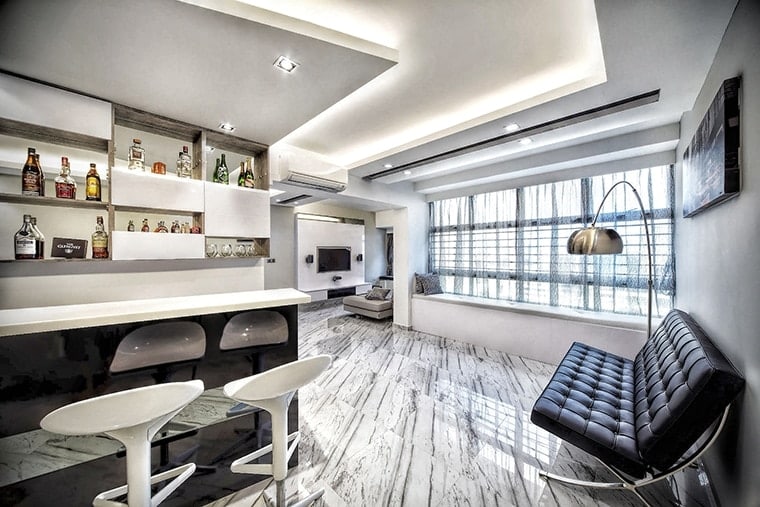
In compact homes, strategic lighting is more effective than structural renovation. That is why lighting is often integrated into small space interior inspiration strategies to maximize perceived space without expanding square footage.
The Economic Value of Good Lighting
Lighting is not just aesthetic: it influences property value and usability.
Case Study Insight
In a 2023 internal design audit conducted across 30 residential renovation projects:
- Homes with layered lighting systems reported 23% higher perceived value during resale consultations.
- Clients rated satisfaction levels 35% higher when lighting plans were developed before material selection.
- Energy-efficient LED integration reduced average electricity consumption by 18%.
Lighting planning also reduces:
- Future rewiring costs.
- Overheating from outdated fixtures.
- Excess glare and eye strain.
Natural vs Artificial Lighting
Natural Light
Benefits:
- Improves mood.
- Enhances circadian rhythm.
- Reduces energy consumption.
- Boosts productivity.
Studies from Harvard’s Healthy Buildings research highlight how daylight exposure improves cognitive function and sleep patterns.
Artificial Lighting
When natural light is limited, artificial lighting must compensate through:
- Layering.
- Proper lumen calculation.
- Strategic fixture placement.
- Dimming systems.
The key is harmony between natural and artificial light sources.
Step-by-Step Lighting Planning Process
If you are wondering how important is lighting in interior design, the answer becomes clear when you follow a structured lighting plan.
Step 1: Assess Room Function
- Is it for rest?
- Work?
- Entertaining?
- Cooking?
Step 2: Calculate Light Output (Lumens Needed)
General guideline:
- Living Room: 150–300 lux.
- Kitchen: 300–500 lux.
- Study Area: 500 lux.
Step 3: Layer Lighting
- Ambient base.
- Task support.
- Accent enhancement.
Step 4: Choose Colour Temperature
Match temperature with room purpose.
Step 5: Integrate Smart Controls
- Dimmers.
- Motion sensors.
- Zoned lighting.
Common Lighting Mistakes to Avoid
Even beautifully designed interiors fail due to poor lighting decisions.
Avoid These Mistakes:
- Relying on one ceiling light.
- Ignoring shadows.
- Mixing inconsistent colour temperatures.
- Over-lighting small rooms.
- Under-lighting task areas.
Lighting should never be decided after furniture installation. It must be planned alongside layout and electrical planning.
Lighting and Interior Design Styles
Lighting adapts to design aesthetics.
| Design Style | Lighting Characteristic |
|---|---|
| Minimalist | Hidden cove lighting |
| Scandinavian | Soft natural tones |
| Industrial | Exposed fixtures |
| Contemporary | Recessed + LED strips |
| Luxury Modern | Statement chandelier + layered lighting |
The lighting must support the visual language of the interior.
Lighting and Sustainability
How important is lighting in interior design when we talk about sustainability? It becomes even more critical. Sustainable lighting improves both environmental and economic performance by reducing energy consumption, lowering maintenance costs, and supporting long-term eco-friendly living.
In modern projects, sustainable lighting design is no longer optional. It is a core part of responsible interior planning, especially in residential renovations and commercial spaces aiming for green building standards.
Why Sustainable Lighting Matters in Interior Design
When discussing how important is lighting in interior design, sustainability adds another layer of value:
- Reduces overall electricity consumption.
- Minimizes long-term operational costs.
- Lowers carbon footprint.
- Extends fixture lifespan.
- Improves indoor environmental quality.
According to global energy studies, lighting accounts for a significant portion of building energy use. Upgrading to energy-efficient systems can reduce lighting energy consumption by up to 50–75% compared to traditional incandescent systems.
Conclusion: Lighting Is Not Optional It Is Foundational
So, how important is lighting in interior design?
Lighting is foundational. It shapes how a space feels, functions, and performs. Without strategic lighting, even the best layouts fall flat. With thoughtful lighting design, ordinary spaces become extraordinary.
At ARTrend, lighting planning is integrated into our spatial strategy, material selection, and architectural detailing. We approach lighting not as decoration, but as a design backbone that enhances comfort, efficiency, and long-term value.
Pro Tips
- Plan lighting before selecting finishes.
- Always layer at least three types of lighting.
- Use dimmers for flexibility.
- Test colour temperatures before final installation.
- Balance natural and artificial light sources.
If you are planning a renovation or new interior project, professional lighting design will elevate your results dramatically.
FAQs (Frequently Asked Questions)
How important is lighting in interior design compared to furniture?
Lighting is often more important than furniture because it determines how furniture and materials appear visually. Poor lighting can make premium furniture look average.
Can good lighting make a small room look bigger?
Yes. Wall washing, vertical lighting, and layered lighting reduce shadows and visually expand space.
What is the best lighting temperature for a living room?
Warm white (2700K–3000K) is ideal for relaxation and comfort.
Should lighting be planned before renovation?
Absolutely. Electrical wiring and ceiling design must align with lighting placement from the beginning.
Is natural lighting better than artificial lighting?
Both are important. Natural lighting supports well-being, while artificial lighting ensures functionality at night and in enclosed areas.
How important is lighting in interior design compared to furniture?
Lighting is often more important than furniture because it determines how furniture and materials appear visually. Poor lighting can make premium furniture look average.
Can good lighting make a small room look bigger?
Yes. Wall washing, vertical lighting, and layered lighting reduce shadows and visually expand space.
What is the best lighting temperature for a living room?
Warm white (2700K–3000K) is ideal for relaxation and comfort.
Should lighting be planned before renovation?
Absolutely. Electrical wiring and ceiling design must align with lighting placement from the beginning.
Is natural lighting better than artificial lighting?
Both are important. Natural lighting supports well-being, while artificial lighting ensures functionality at night and in enclosed areas.