


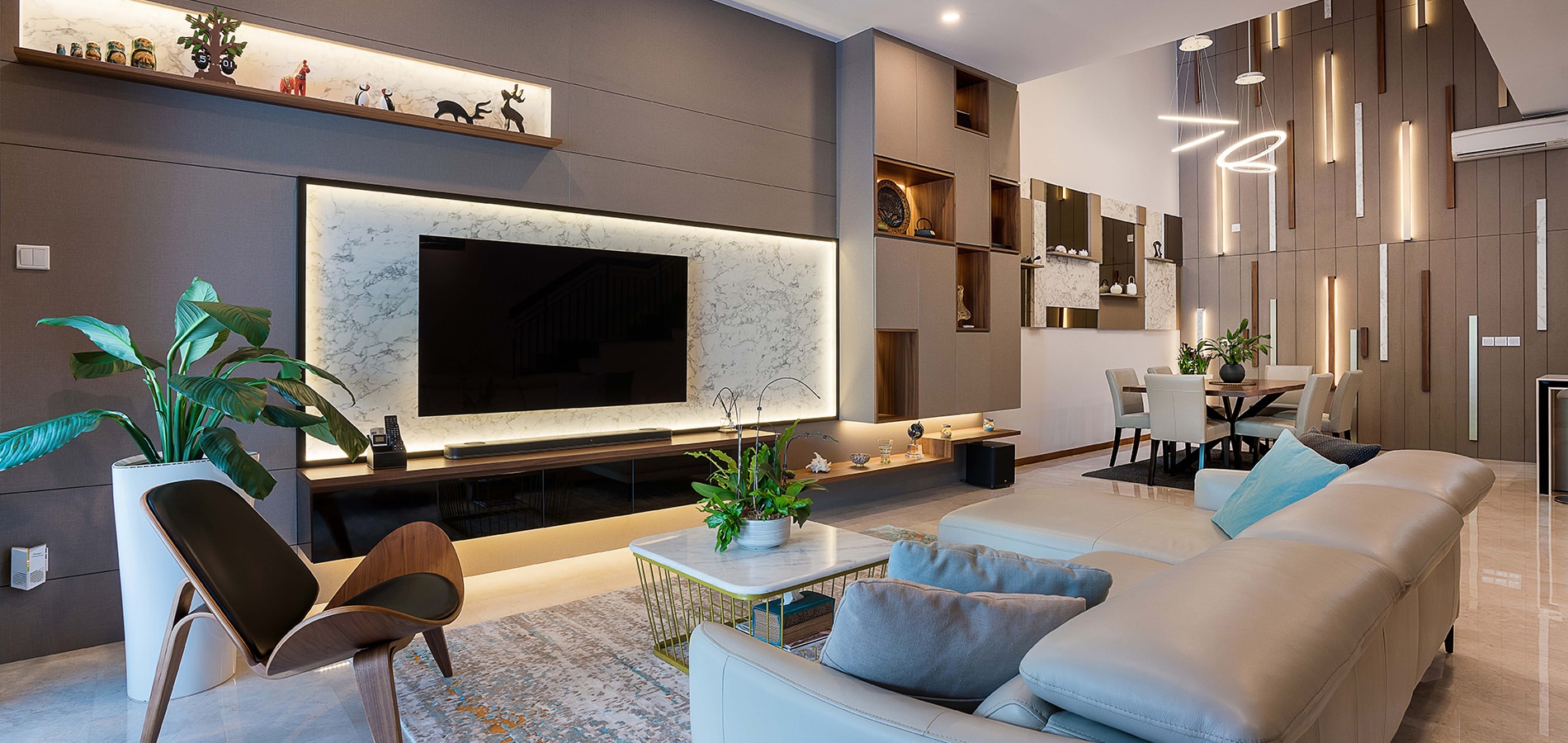
Renovating a home is never just about looks. In Singapore, many homeowners also consider energy flow, balance, and long-term harmony. That is where feng shui renovation tips Singapore comes into play. Feng shui renovation focuses on arranging spaces, materials, and layouts so energy (or qi) moves smoothly, supporting health, relationships, and even finances. When applied properly, feng shui does not fight modern design, instead it quietly supports it.
In a dense, urban environment like Singapore, where space is limited and apartments are stacked closely together, feng shui planning during renovation becomes even more relevant than people realize.
Why Feng Shui Renovation Matters in Singapore Homes
Singapore homes are unique. Most people live in HDB flats, condominiums, or compact landed houses. These layouts come with fixed structural elements, shared walls, and limited orientation choices.
Feng shui renovation is not about superstition. It’s more about:
- How air flows
- How light enters the home
- How movement feels inside the space
- How clutter affects mental clarity
A 2023 regional interior design survey showed that over 60% of homeowners in Singapore consider feng shui principles during renovation planning, even if only at a basic level. This shows how deeply rooted the idea still is, even in modern living.
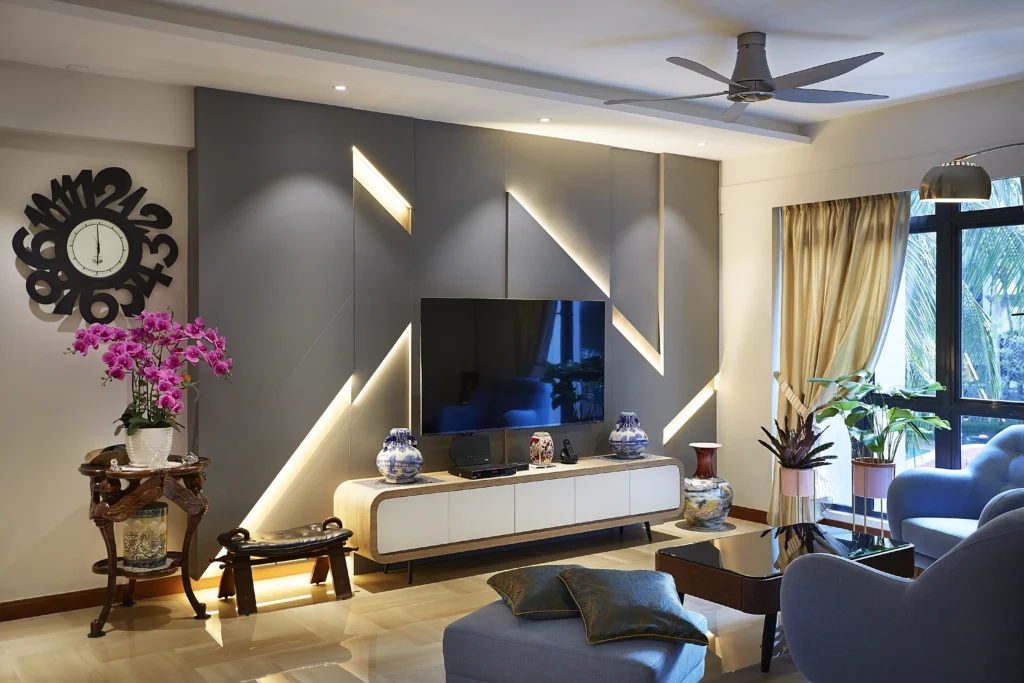
Core Feng Shui Renovation Tips Singapore Homeowners Should Know
1. Start With Layout, Not Furniture
Many people make the mistake of focusing on decor first. Feng shui always starts with layout.
Key layout principles:
- Avoid long, straight corridors leading directly to bedrooms
- Keep the main door unobstructed
- Balance open and enclosed areas
A simple rule many designers follow is: if the space feels uncomfortable to walk through, the qi probably feels the same.
2. Main Door Feng Shui During Renovation
The main door is often called the “mouth of qi”. In Singapore apartments, this is especially important because:
- Doors often face common corridors or lifts
- Energy can rush in too fast
Renovation tips for main doors:
- Avoid mirrors facing directly at the door
- Use solid doors, not hollow ones
- Ensure lighting near the entrance is warm, not harsh
In homes that adopt a modern Chinese interior style, the entrance is often designed with subtle symmetry and natural materials. If you’re exploring this direction, you can see how feng shui concepts are translated into contemporary design here
3. Kitchen Feng Shui Renovation Tips
The kitchen represents health and wealth. In Singapore homes, kitchens are usually compact and functional, which can create conflicts.
Common kitchen issues:
- Stove facing sink
- Stove too close to the refrigerator
- Dark, poorly ventilated cooking areas
Simple renovation fixes:
- Use neutral or warm tones (beige, light wood)
- Add proper ventilation during renovation
- Create visual separation between fire (stove) and water (sink)
4. Bedroom Feng Shui Planning During Renovation
Bedrooms should feel calm, grounded, and quiet.
Renovation guidelines:
- Bed should not face the door directly
- Avoid placing the bed under heavy beams
- Headboard should be solid and attached to a wall
In Singapore condos, many bedrooms are small. Instead of adding mirrors or glossy finishes, soft textures often work better to balance energy.
5. Bathroom Feng Shui Renovation in High-Rise Homes
Bathrooms drain energy, both literally and symbolically. This matters more in apartments where bathrooms are centrally located.
Renovation suggestions:
- Keep bathroom doors closed
- Use light colours, avoid pure black
- Ensure good drainage and no water leaks
Even small plumbing issues are usually addressed early in a proper interior renovation because leaks are considered a form of energy loss.
Feng Shui Elements and How They Apply in Renovation
Below is a simple table that helps homeowners understand feng shui elements during renovation planning:
| Element | Represents | Renovation Materials |
|---|---|---|
| Wood | Growth, health | Timber, plants |
| Fire | Energy, passion | Lighting, red accents |
| Earth | Stability | Tiles, stone |
| Metal | Precision, clarity | Stainless steel, metal frames |
| Water | Flow, wealth | Glass, mirrors, water features |
Balancing these elements does not mean using all of them heavily. Subtle integration works better.
Common Feng Shui Renovation Mistakes in Singapore
Even well-intentioned homeowners make mistakes.
Some common ones:
- Overusing mirrors to “expand” space
- Blocking natural light with dark cabinetry
- Ignoring airflow in small rooms
One case study from a Singapore interior firm showed that homes redesigned with airflow and natural light in mind saw higher homeowner satisfaction, even without major layout changes.
Simple Feng Shui Checklist Before Renovation Starts
Before hacking or rebuilding anything, pause and review:
- Check unit orientation (north, south, east, west)
- Identify main door and bedroom positions
- Review kitchen and bathroom placements
- Plan lighting zones, not just ceiling lights
- Decide where clutter can be minimized permanently
This step alone often saves money and stress later.

Working With Professionals Who Understand Feng Shui Renovation
Feng shui renovation is not about blindly following rules. It’s about understanding context, lifestyle, and space limitations. This is why working with designers who are familiar with feng shui renovation tips Singapore homeowners rely on makes a big difference.
At ARTrend, renovation planning is approached holistically. Layout efficiency, material choice, airflow, and visual balance are considered together, not separately. With decades of experience in Singapore residential renovations, the team understands how feng shui principles fit naturally into modern interior design, without making the home feel outdated or overly symbolic.
If you are planning a renovation and want practical, real-world feng shui guidance that works with Singapore homes, explore how ARTrend approaches renovation planning at
Pro Tips Before You Finalise Your Renovation
- Don’t chase trends blindly, comfort lasts longer
- Fix layout problems first, decor later
- Keep spaces breathable, not crowded
- Good feng shui often feels right, even before you explain it
Renovation is a fresh start. When planned carefully, feng shui becomes less about rules and more about creating a home that quietly supports daily life.
FAQs (Frequently Asked Questions)
Do I need a feng shui master for renovation in Singapore?
Not always. Many basic feng shui renovation tips can be applied by experienced interior designers. A master may help for complex layouts or landed homes.
Is feng shui renovation expensive?
It doesn’t have to be. Most feng shui adjustments happen at the planning stage, not through expensive materials.
Can feng shui work in small HDB flats?
Yes. In fact, feng shui principles are often more useful in small spaces because layout efficiency matters more.
Does feng shui affect resale value in Singapore?
Indirectly, yes. Homes that feel bright, airy, and practical tend to attract buyers more easily.
Can modern design and feng shui coexist?
Absolutely. Good feng shui often aligns with good design: balance, function, and comfort.
Do I need a feng shui master for renovation in Singapore?
Not always. Many basic feng shui renovation tips can be applied by experienced interior designers. A master may help for complex layouts or landed homes.
Is feng shui renovation expensive?
It doesn’t have to be. Most feng shui adjustments happen at the planning stage, not through expensive materials.
Can feng shui work in small HDB flats?
Yes. In fact, feng shui principles are often more useful in small spaces because layout efficiency matters more.
Does feng shui affect resale value in Singapore?
Indirectly, yes. Homes that feel bright, airy, and practical tend to attract buyers more easily.
Can modern design and feng shui coexist?
Absolutely. Good feng shui often aligns with good design: balance, function, and comfort.