


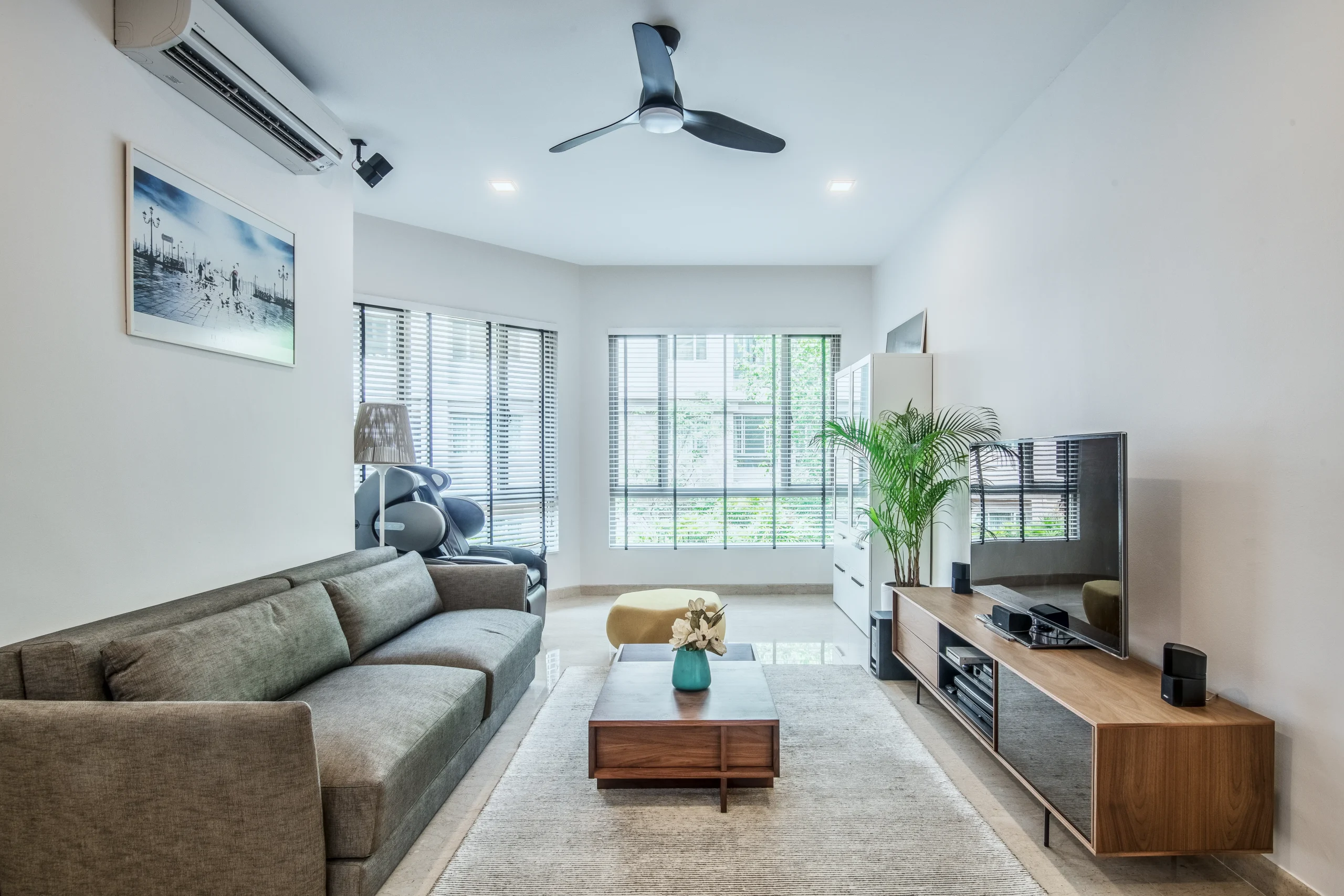
The best interior design for small home is not about squeezing in trendy furniture or copying Pinterest layouts blindly. In simple terms, it’s the process of planning layout, furniture, storage, lighting, and finishes so a limited space feels comfortable, usable, and visually open for everyday living.
Small homes come with limits. Limited floor area, limited storage, sometimes limited natural light too. But with the right interior design approach, those limits don’t have to feel like daily frustrations. In fact, we’ve seen many small homes function better than larger ones, simply because they were planned properly from the start.
At ARTrend Interior Design, we work with compact apartments, HDB flats, and small private homes regularly. And honestly, the biggest challenge isn’t space. It’s making the right decisions early, before renovation locks everything in.
Why Small Homes Need a Different Interior Design Approach
In Singapore, small home renovation also comes with practical and regulatory limits. For example, HDB flats have clear renovation guidelines that affect wall hacking, flooring works, and built-in carpentry. Understanding these constraints early helps homeowners avoid redesigns later and aligns interior planning with real renovation conditions, not just design ideas. This is why proper interior renovation planning is just as important as aesthetics, especially for compact homes.
The best interior design for small home focuses on balance, not excess. Small homes usually require:
- Clear circulation paths.
- Multi-functional furniture.
- Smart storage planning.
- Visual continuity between spaces.
When these elements work together, the home feels calmer, not cramped.
Core Principles Behind the Best Interior Design for Small Home
1. Layout Comes Before Aesthetics
It’s tempting to start with colours or furniture styles. But layout always comes first.
A good layout:
- Reduces unnecessary walking paths.
- Keeps furniture proportional to space.
- Separates functions without adding walls.
We often sketch multiple layout options before committing to one. Even small shifts, like moving a dining table by 30cm, can make a big difference.
2. Visual Flow Matters More Than Decoration
In small homes, visual breaks can make spaces feel smaller.
To improve flow:
- Use consistent flooring across rooms.
- Limit contrasting colours between areas.
- Avoid heavy partitions.
Open sightlines help the eye travel, which subconsciously makes the home feel larger.
3. Storage Is Part of Design, Not an Afterthought
Storage problems are usually planning problems.
In the best interior design for small home, storage is:
- Integrated into walls.
- Built vertically, not horizontally.
- Designed for actual daily items, not “just in case” items.
Hidden storage under beds, full-height cabinets, and recessed shelving all help reduce clutter, which visually expands the space.
Best Interior Design Strategies for Small Homes
Use Multi-Functional Furniture
Furniture that serves more than one purpose is a lifesaver in compact homes.
Examples include:
- Sofa beds for guests.
- Extendable dining tables.
- Storage benches.
- Wall-mounted desks.
These pieces reduce furniture count without reducing usability.
Light, Neutral Colours (But Not Always White)
White is popular, yes, but it’s not the only option.
Light greys, warm beige, muted wood tones, and soft pastels can all work well. The key is consistency. Too many colour changes make small spaces feel busy.
Lighting Design Makes or Breaks a Small Home
Lighting is often underestimated.
We usually plan:
- Ambient lighting for overall brightness.
- Task lighting for work areas.
- Accent lighting to add depth.
A well-lit small home almost always feels bigger than a dim larger one.
Small Home Design vs Poor Planning: A Quick Comparison
Element Poor Planning Best Interior Design for Small Home Layout Furniture blocks walkways Clear circulation paths Storage Random cabinets added later Integrated, planned storage Lighting Single ceiling light Layered lighting Furniture Oversized pieces Scaled, functional pieces Visual Flow Too many partitions Open, connected spaces
Real Observations from Small Home Projects
| Element | Poor Planning | Best Interior Design for Small Home |
|---|---|---|
| Layout | Furniture blocks walkways | Clear circulation paths |
| Storage | Random cabinets added later | Integrated, planned storage |
| Lighting | Single ceiling light | Layered lighting |
| Furniture | Oversized pieces | Scaled, functional pieces |
| Visual Flow | Too many partitions | Open, connected spaces |
From our internal project reviews, homes under 800 sqft that used integrated storage and open layouts reported fewer post-renovation changes. Clients were less likely to regret furniture size or layout choices.
One thing we notice repeatedly: small homes that are planned slowly, not rushed, almost always perform better long term.
Common Mistakes People Make in Small Home Interior Design
Even with good intentions, mistakes happen.
Some common ones:
- Buying furniture before layout confirmation.
- Over-designing feature walls.
- Ignoring daily habits (like where bags actually go).
- Choosing looks over comfort.
The best interior design for small
home respects how people live, not just how spaces look in photos.
Small Home Design Trends That Actually Make Sense
Trends come and go, but some ideas genuinely help small spaces.
We’re seeing more interest in:
- Japandi-inspired minimalism.
- Modular carpentry systems.
- Sliding panels instead of swing doors.
- Soft zoning using lighting instead of walls.
These ideas also align well with workspace efficiency concepts we apply in projects like singapore interior design office planning, where space optimisation is equally critical.
How ARTrend Approaches Small Home Interior Design
At ARTrend Interior Design, our expertise spans residential and commercial spaces. The principles remain similar: function first, clarity second, aesthetics last.
For small homes, we focus on:
- Space planning based on lifestyle.
- Honest budget discussions.
- Long-term usability, not just trends.
We believe the best interior design for small home should still work five years later, not just on renovation handover day.
Step-by-Step: How to Start Planning Your Small Home Interior
- Measure your space accurately.
- List daily activities room by room.
- Prioritise storage needs.
- Finalise layout before selecting furniture.
- Plan lighting early, not at the end.
This simple sequence avoids many expensive mistakes.
Conclusion: The Best Interior Design for Small Home Is About Planning, Not Size
The truth is, small homes aren’t a disadvantage. Poor planning is.
The best interior design for small home comes from understanding how space is used daily, making deliberate layout choices, and resisting the urge to over-design. When done right, small homes feel efficient, calm, and surprisingly spacious.
At ARTrend Interior Design, we help homeowners turn compact spaces into homes that work hard and feel good to live in. visit Residential Services If you’re planning a small home renovation, start with clarity, not trends.
Pro Tips Before You Begin:
- Don’t rush layout decisions.
- Measure furniture twice.
- Plan storage early.
- Invest in lighting.
- Design for real life, not just photos.
FAQs (Frequently Asked Questions)
What is the best interior design style for a small home?
There’s no single style, but minimalist, Japandi, and modern designs work well because they reduce visual clutter.
How do I make my small home look bigger?
Use consistent flooring, lighter colours, proper lighting, and avoid oversized furniture.
Is custom carpentry worth it for small homes?
Often yes. Custom carpentry maximises awkward corners and vertical space better than loose furniture.
Can a small home still feel luxurious?
Absolutely. Good materials, clean lines, and thoughtful lighting create a premium feel without large space.
How much should I budget for small home interior design?
Budgets vary, but planning properly often saves money by avoiding unnecessary changes later.
What is the best interior design style for a small home?
There’s no single style, but minimalist, Japandi, and modern designs work well because they reduce visual clutter.
How do I make my small home look bigger?
Use consistent flooring, lighter colours, proper lighting, and avoid oversized furniture.
Is custom carpentry worth it for small homes?
Often yes. Custom carpentry maximises awkward corners and vertical space better than loose furniture.
Can a small home still feel luxurious?
Absolutely. Good materials, clean lines, and thoughtful lighting create a premium feel without large space.
How much should I budget for small home interior design?
Budgets vary, but planning properly often saves money by avoiding unnecessary changes later.