Visual merchandising design Singapore refers to the strategic presentation of products, displays, and retail environments to attract customers, enhance brand storytelling, and ultimately drive sales in Singapore’s competitive retail landscape.
It combines design, psychology, and marketing to influence how customers perceive a store and interact with products. In high-density retail environments like Singapore, strong visual merchandising is not optional, it’s essential for standing out.
At its core, visual merchandising transforms a store into a silent salesperson, guiding customer attention and encouraging purchases without direct interaction.
Why Visual Merchandising Design Matters in Singapore Retail
Retail in Singapore is highly competitive due to:
Limited retail space
High rental costs
Sophisticated, experience-driven consumers
Key Insights
70% of purchasing decisions are made in-store
Shoppers spend 20–40% more time in visually engaging stores
Effective displays can increase sales by up to 30%
This means your store design directly affects revenue performance.
Core Principles of Visual Merchandising Design Singapore
1. First Impressions Through Storefront Design
Your storefront is your first chance to attract customers.
Key elements:
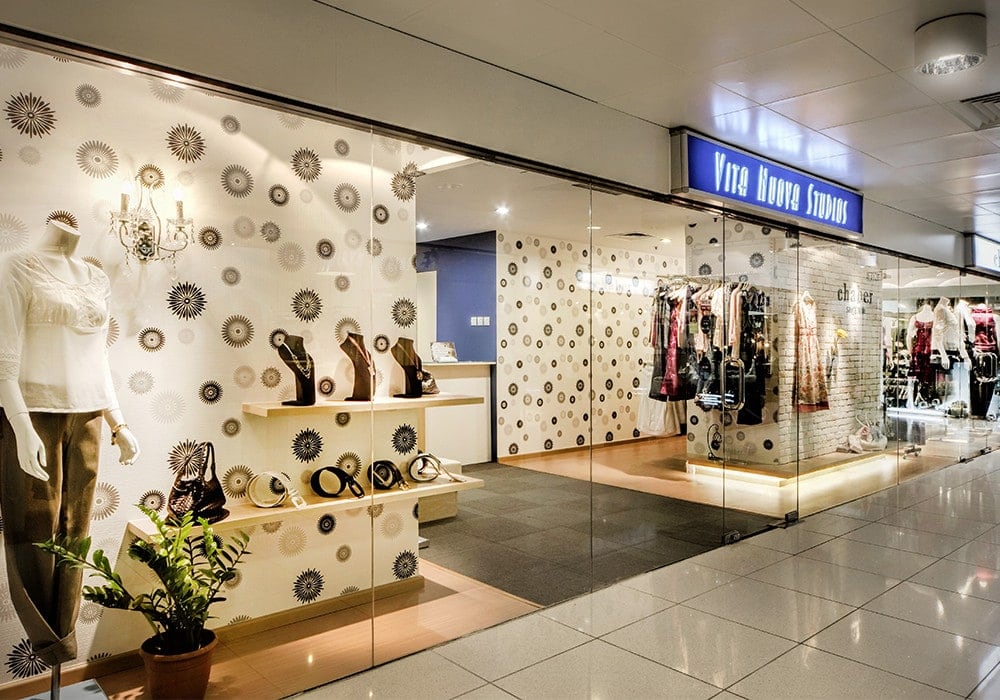
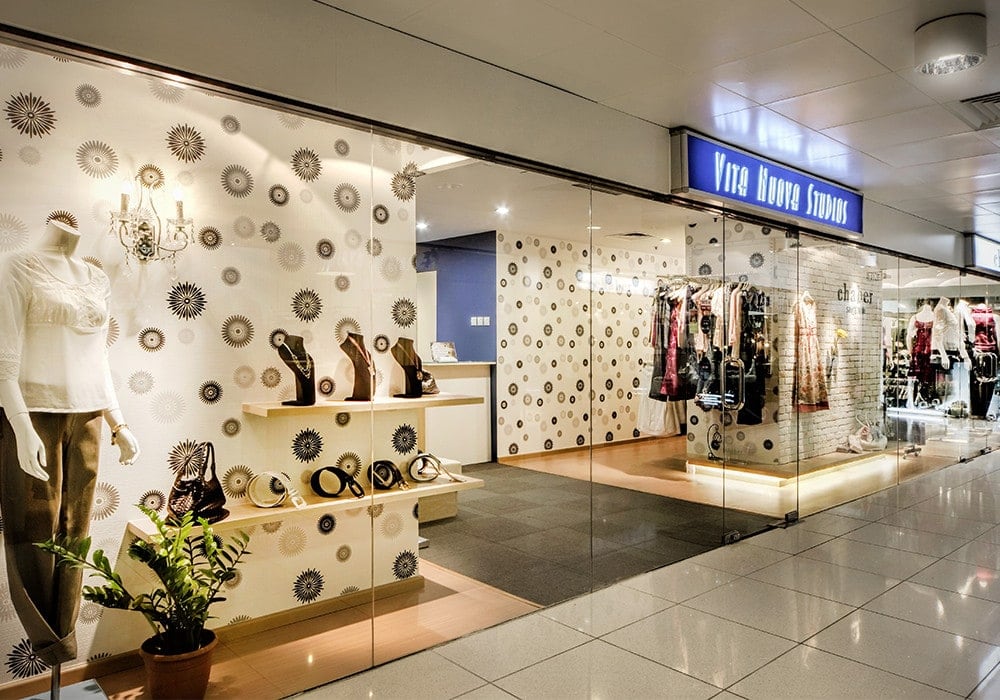
Window displays with storytelling
Strategic lighting highlights
Seasonal or promotional themes
Pro Tip: You have only 3 seconds to capture attention.
2. Product Placement Strategy
Where you place products matters more than what you sell.
Best practices:
Eye-level = buy-level
High-margin products at focal points
Group complementary items together
3. Color Psychology in Retail
Colors influence emotions and buying behavior.
Warm tones → urgency and excitement
Neutral tones → premium feel
Bright colors → attract younger audiences
4. Lighting as a Sales Tool
Lighting does more than illuminate, it directs attention.
Types of lighting:
Ambient lighting (general visibility)
Accent lighting (highlight products)
Task lighting (functional areas)
5. Store Layout & Flow
A good layout ensures customers explore the entire store.
Popular flow designs:
Free-flow (creative retail)
Loop layout (guided journey)
Grid layout (efficient browsing)
Step-by-Step Visual Merchandising Design Process
Step 1: Define Brand Identity
What story does your brand tell?
Who is your target audience?
Step 2: Plan Customer Journey
Entry point attraction
Key display zones
Checkout placement
Step 3: Create Display Concepts
Seasonal campaigns
Promotional themes
Lifestyle-based setups
Step 4: Implement Fixtures & Displays
Shelving systems
Display racks
Signage and props
Step 5: Optimize and Refresh Regularly
Visual merchandising is not static, it evolves.
For a deeper understanding of retail space planning, explore visual merchandising design singapore to see how layout and display strategies work together seamlessly.
Visual Merchandising Display Types Comparison
Display Type
Purpose
Best For
Impact
Window Display
جذب attention
Fashion, lifestyle
High foot traffic
Feature Display
Highlight products
Promotions
Boost conversions
End Cap Display
Maximize visibility
Retail chains
Increase impulse buys
Point-of-Sale Display
Last-minute sales
Small items
Upselling
Common Mistakes in Visual Merchandising
Avoid these pitfalls:
Overcrowded displays
Inconsistent branding
Poor lighting placement
Lack of focal points
Ignoring customer flow
Pro Tip: Simplicity often converts better than complexity.
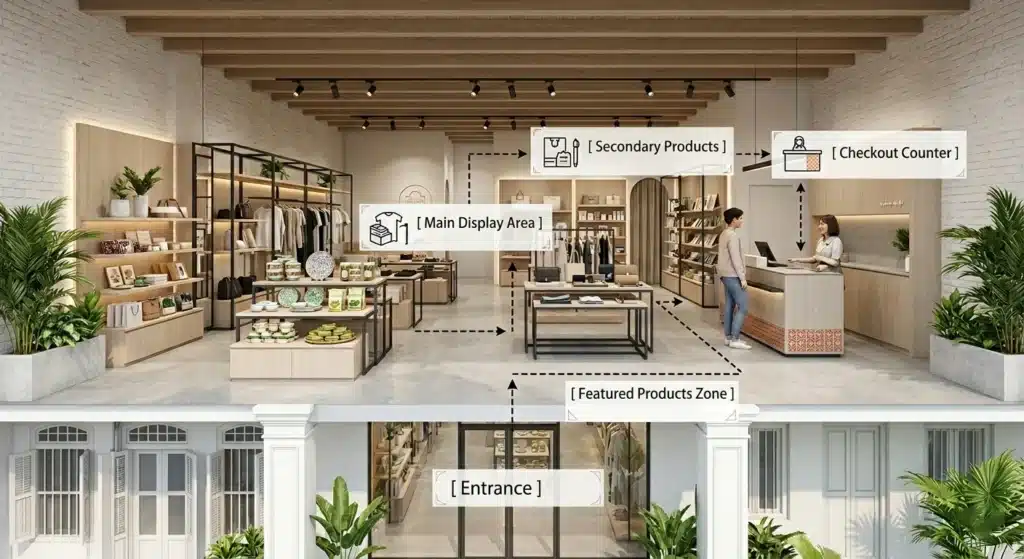
Simple Visual Merchandising Flow Diagram
Explanation:
Storefront attracts
Entrance engages
Main area converts
Checkout upsells
Cost Breakdown for Visual Merchandising Design Singapore
Component
Estimated Cost (SGD)
Design Consultation
1,000 – 3,000
Display Fixtures
3,000 – 10,000
Lighting Setup
1,500 – 5,000
Renovation Work
8,000 – 25,000
Costs depend on complexity, materials, and scale.
Emerging Trends in Visual Merchandising Design Singapore
1. Experiential Retail
Stores designed as immersive experiences rather than just sales spaces.
2. Digital Displays Integration
LED screens and interactive panels.
3. Minimalist Merchandising
Clean layouts that highlight key products.
4. Sustainability in Design
Eco-friendly materials and reusable displays.
Expert Insights from Retail Designers
Rotate displays every 2–4 weeks
Highlight best-selling products
Use storytelling in displays
Maintain visual hierarchy
Pro Tip: Always design with the customer journey in mind.
Conclusion: Elevate Your Retail Success with Visual Merchandising Design Singapore
Visual merchandising is more than decoration, it’s a powerful business tool that shapes customer perception and drives purchasing decisions.
In Singapore’s competitive retail market, investing in visual merchandising design Singapore can significantly improve your store’s performance, from attracting foot traffic to increasing conversions.
To achieve the best results, partner with experts who understand both design aesthetics and retail strategy. Visit ARTrend to discover professional solutions tailored to your business and start transforming your retail space into a high-impact sales environment.
FAQs (Frequently Asked Questions)
What is visual merchandising design Singapore?
It is the strategic presentation of products and retail spaces to attract customers and increase sales in Singapore’s retail environment.
How often should displays be updated?
Ideally every 2–4 weeks to keep the store fresh and engaging.
Does visual merchandising really increase sales?
Yes, studies show it can boost sales by up to 30%.
Is visual merchandising only for large stores?
No, even small shops benefit significantly from strong visual merchandising.
Do I need professional help for visual merchandising?
Professional designers ensure better execution, brand consistency, and higher ROI.