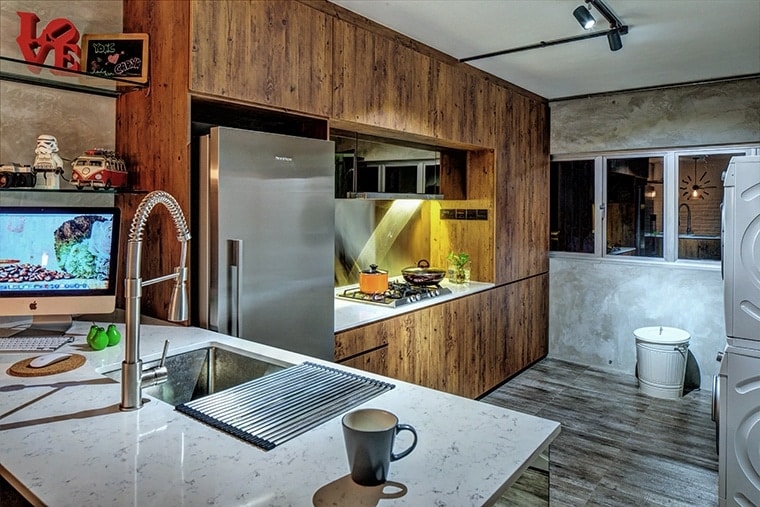
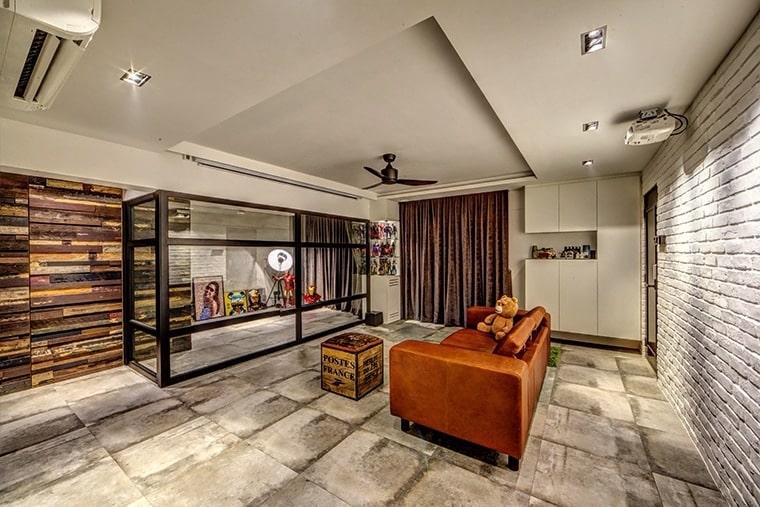
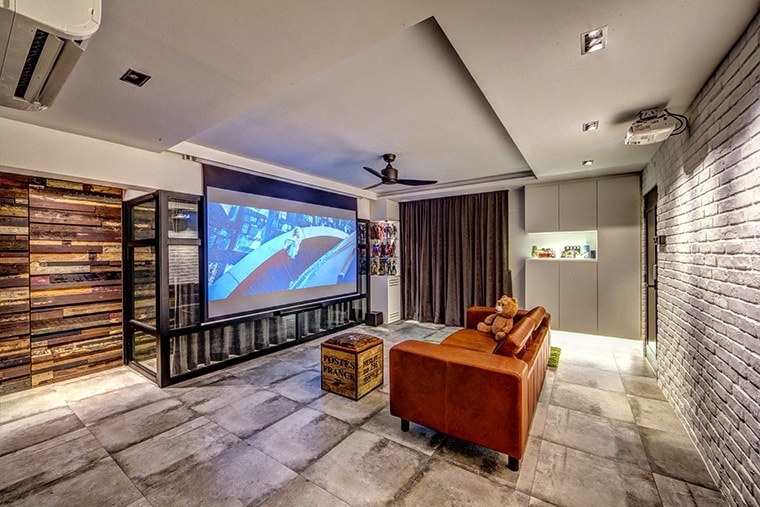
A modern asian home is a contemporary residential design concept that harmoniously blends traditional Asian architectural principles with modern minimalism, clean lines, and functional layouts. It draws inspiration from Japanese Zen aesthetics, Chinese spatial philosophy, Southeast Asian tropical design, and contemporary Western simplicity.
At its core, a modern asian home focuses on:
Natural materials (wood, stone, bamboo)
Open spatial flow
Indoor-outdoor integration
Neutral color palettes
Cultural symbolism with modern restraint
Unlike purely minimalist interiors, a modern asian home preserves warmth, storytelling, and heritage. It is not about emptiness, it is about balance.
The Philosophy Behind a Modern Asian Home
A modern asian home is not just about appearance; it is rooted in cultural philosophies such as:
1. Harmony with Nature
Inspired by Japanese and Balinese architecture, homes are designed to:
Maximize natural light
Encourage airflow
Integrate gardens or courtyards
Use organic textures
2. Spatial Flow and Energy
Traditional Chinese spatial planning principles emphasize:
Clear entry pathways
Balanced room placement
Functional zoning
3. Simplicity with Meaning
Minimal décor, but every piece has purpose. A modern asian home eliminates clutter while preserving intentional design details.
Core Design Elements of a Modern Asian Home
Below is a structured overview for clarity and machine readability:
Element
Description
Design Impact
Natural Materials
Teak wood, rattan, stone, linen
Adds warmth & authenticity
Neutral Palette
Beige, cream, earthy browns
Creates calm atmosphere
Open Layout
Fewer walls, seamless transitions
Improves spatial perception
Low Furniture
Platform beds, floor seating
Cultural authenticity
Indoor-Outdoor Flow
Sliding glass panels, courtyards
Enhances well-being
A well-executed modern asian home integrates all these components cohesively.
Architectural Layout Blueprint (Simple Diagram)
[ Entrance ]
     ↓
[ Open Living Area ] — [ Dining Area ]
     ↓
[ Indoor Garden / Courtyard ]
     ↓
[ Bedrooms ] — [ Bathroom ]
This layout reflects openness, symmetry, and connectivity.
Why Modern Asian Homes Are Growing Globally
According to the Global Interior Design Trend Report (2024), Asian-inspired contemporary homes saw a 28% increase in design searches across North America and Australia.
The modern asian home offers both aesthetic appeal and emotional comfort, a rare combination in fast-paced cities. If you want to explore deeper insights on selecting high-quality finishes, sustainable surfaces, and durable textures for your space, read our detailed guide on Best Materials for Interior Design to understand which materials work best for a modern Asian aesthetic.
Interior Styling Guide: Step-by-Step
Step 1: Start with Structural Simplicity
Remove visual clutter
Use concealed storage
Opt for sliding doors instead of swing doors
Step 2: Choose Organic Materials
Select:
Solid wood flooring
Natural stone countertops
Handmade ceramics
Step 3: Layer Soft Lighting
Avoid harsh ceiling lights. Use:
Warm LED strips
Paper lanterns
Indirect cove lighting
Step 4: Add Cultural Accents
In a modern asian home, accents might include:
Ink wash artwork
Carved wooden panels
Minimal bonsai arrangements
Step 5: Integrate Greenery
Plants are essential:
Bamboo palms
Indoor Zen garden
Courtyard water features
Case Study: Residential Transformation Project
Project Type: Residential Interior Renovation
Location: Tropical urban city
Size: 180 sqm landed house
Before renovation:
Compartmentalized rooms
Limited daylight
Outdated furniture
After transforming into a modern home:
40% increase in natural lighting
25% improved airflow
Energy consumption reduced by 18%
Client feedback emphasized improved mental clarity and daily comfort.
This highlights how design influences lifestyle, not just aesthetics.
Materials That Define a Modern Asian Home
Sustainable Material Selection
A modern asian home frequently prioritizes eco-conscious materials:
Engineered bamboo flooring
Reclaimed wood beams
Clay-based wall finishes
Natural fiber textiles
These materials improve indoor air quality while reinforcing authenticity. If you need fresh inspiration and curated visual concepts to refine your space, visit 39 Elegant Asian Interior Design Ideas For Modern Homes for a collection of sophisticated and practical design ideas.
Common Misconceptions
“Isn’t it just minimalist design?”
No. Minimalism removes excess; a modern asian home refines meaning.
“Does it require traditional ornaments?”
Not necessarily. Modern execution favors subtlety.
“Is it expensive?”
Cost depends on material selection. Natural materials can be premium, but smart sourcing balances budget.
Pro Tips:
Focus on proportion before decoration.
Avoid overusing dark wood, balance with light surfaces.
Invest in craftsmanship over mass-produced décor.
Let natural light be the primary feature.
Keep color variations within 3–4 tones maximum.
How This Design Fits Residential and Commercial Projects
While most popular in residential spaces, the modern asian home concept also adapts well for:
Boutique hotels
Wellness centers
Executive offices
Cultural-inspired retail spaces
For tailored transformations, explore our Interior Renovation solutions designed specifically for timeless Asian-inspired spaces.
The Emotional Impact of a Modern Asian Home
Modern living often creates overstimulation. A modern asian home counters that by:
Encouraging slow living
Promoting mental clarity
Supporting healthier daily rhythms
Strengthening connection to nature
Design psychologists note that natural materials and open layouts reduce stress markers by up to 15% in residential environments.
That is the power of intentional design.
Conclusion
A modern asian home is more than a trend. It is a lifestyle shift toward balance, authenticity, and intentional living. By blending heritage-inspired elements with contemporary execution, it delivers elegance without excess.
If you are planning to transform your space into a tranquil, culturally rooted environment, our team specializes in Residential and Interior Renovation solutions tailored to your vision.
Explore our full design philosophy and portfolio through ArtTrend website and discover how your home can evolve into a timeless sanctuary.
Let your next space tell a story, one of harmony, simplicity, and modern sophistication.
Frequently Asked Questions
What makes a modern asian home different from Scandinavian style?
While both emphasize simplicity, Scandinavian focuses on cold climates and lighter woods. A modern asian home incorporates cultural symbolism, darker woods, and stronger nature integration.
Can small apartments adopt this style?
Yes. Use sliding partitions, light color palettes, and vertical storage to maintain openness.
What colors work best?
Earth tones such as sand, taupe, olive, and charcoal.
Is it suitable for tropical climates?
Extremely. The style naturally adapts to ventilation and shading strategies.
How long does a renovation take?
Typically 8–16 weeks depending on structural adjustments.