

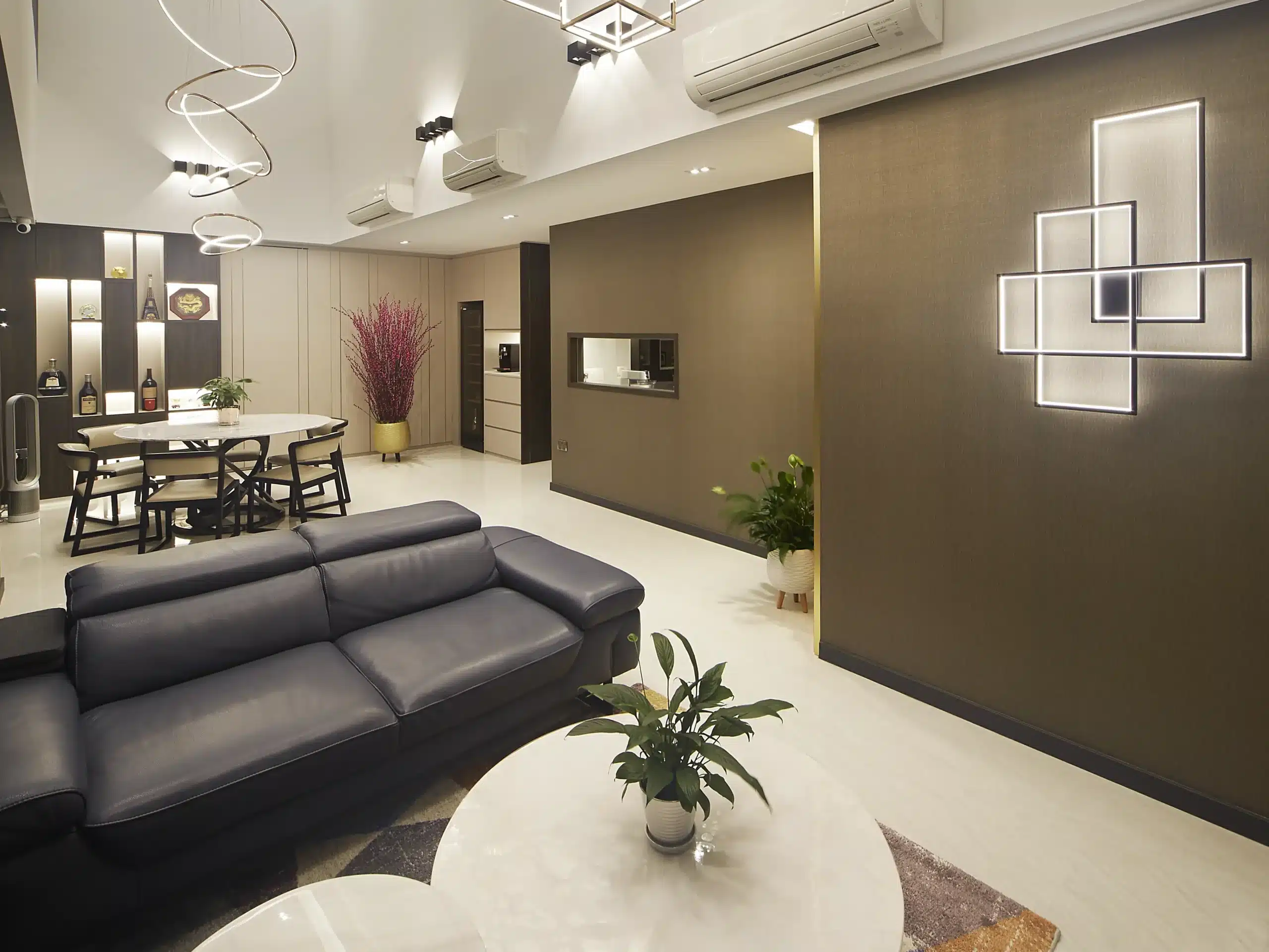
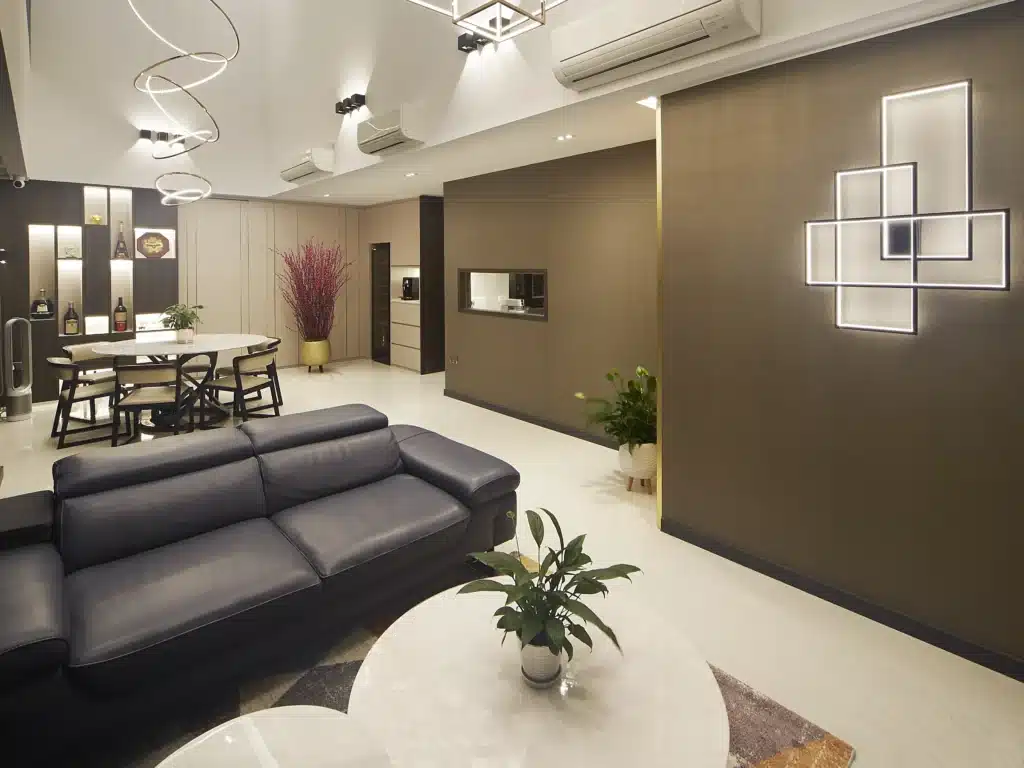
Feng shui interior design Singapore refers to the application of traditional Chinese feng shui principles within modern residential and commercial interiors, adapted to local lifestyles, building layouts, and urban living conditions in Singapore.
At its core, feng shui interior design is about balance. Balance between people and space, movement and stillness, light and shadow. In Singapore, where most of us live in apartments, condos, or compact landed homes, feng shui isn’t about superstition. It’s about flow, comfort, and how a space quietly supports everyday life.
We’ve seen this many times. A home can look beautiful on photos, but still feel off. Furniture feels awkward. Rooms feel heavy. People can’t really relax. Feng shui interior design often addresses these invisible problems, sometimes without homeowners even realising what was wrong before.
Why Feng Shui Interior Design Matters in Singapore Homes
Singapore homes are unique. High-rise living, limited space, shared walls, fixed layouts. These conditions make feng shui interior design especially relevant here. When space is tight and layouts can’t easily be changed, how energy, light, and movement flow through a home becomes far more noticeable. Even small layout issues can affect daily comfort, rest, and mood, which is why feng shui interior design in Singapore often focuses on practical adjustments that help homes feel calmer, more balanced, and easier to live in.
Common reasons homeowners in Singapore look into feng shui interior design include:
- Homes feeling cramped or cluttered despite minimal furniture.
- Difficulty sleeping or resting properly.
- Poor natural light or airflow.
- Awkward layouts caused by developer floor plans.
- Cultural values passed down from family.
Feng shui interior design Singapore focuses less on luck symbols and more on how energy moves through space, which in practical terms often means better layouts, smarter storage, and calmer interiors.
Core Principles of Feng Shui Interior Design Singapore
Balance and Flow
In feng shui, everything starts with qi, or energy flow. But in real homes, especially in Singapore, this usually translates to something very practical. It’s about how people move through a space, where light naturally enters, and whether furniture placement supports or blocks everyday activities. In feng shui interior design Singapore, improving balance and flow often means opening up walkways, reducing visual clutter, and allowing rooms to breathe so the home feels lighter, calmer, and easier to live in.
We look at:
- How people enter the home.
- How they move from room to room.
- Where light naturally enters.
- Where furniture blocks movement.
If a space feels tight or confusing, energy usually feels stuck too. Improving flow often improves daily comfort immediately.
Yin and Yang in Interior Spaces
Singapore homes need balance between:
- Yin: calm, quiet, restful areas (bedrooms, reading corners).
- Yang: active, social areas (living rooms, dining spaces).
Too much yang makes a home noisy and restless. Too much yin makes it dull and sleepy. Feng shui interior design Singapore aims to keep this balance subtle, not extreme.
Feng Shui Interior Design by Area of the Home
Living Room Feng Shui Design
The living room is where energy first gathers after entering the home. It’s also where guests spend time.
Key feng shui interior design tips for living rooms:
- Keep walkways clear and open.
- Avoid placing sofa backs directly facing the main door.
- Use rugs or lighting to define seating zones.
- Balance furniture sizes with room proportions.
A living room doesn’t need to be big. It just needs to feel welcoming and easy to move around.
Bedroom Feng Shui Interior Design Singapore
Bedrooms are deeply personal spaces. Feng shui here focuses on rest and recovery.
Common considerations:
- Bed placement with solid wall support.
- Avoid mirrors directly facing the bed.
- Soft lighting instead of harsh ceiling lights.
- Calming colours instead of overstimulation.
Many homeowners tell us they sleep better after simple feng shui layout adjustments, even without major renovation.
Kitchen and Dining Areas
In feng shui interior design Singapore, kitchens are seen as energy-intensive spaces.
Practical tips:
- Good ventilation to release heat and smells.
- Clear separation between cooking and washing zones.
- Dining tables placed where family can sit comfortably.
The dining area often becomes the emotional centre of the home, especially during gatherings.
Feng Shui Interior Design vs Interior Decoration
A common misunderstanding is that feng shui is just decoration.
| Aspect | Interior Decoration | Feng Shui Interior Design |
|---|---|---|
| Focus | Visual appearance | Energy flow & comfort |
| Approach | Styling | Spatial planning |
| Outcome | Looks good | Feels right |
| Longevity | Trend-based | Long-term |
This is why feng shui interior design Singapore is often integrated during renovation, not added at the end.
How Feng Shui Interior Design Fits Modern Renovation
Many homeowners start with a design idea, then realise something feels missing. That’s usually when feng shui comes in.
In practice, feng shui interior design works best when combined with professional space planning. This is where working with a reliable singapore interior design office becomes important, especially for renovation projects that involve layout changes, carpentry, and lighting.
Instead of adding symbolic objects later, feng shui becomes part of the structure itself.
Case Insight: Feng Shui Interior Design Trends in Singapore
Based on projects we’ve handled and industry observations:
- Around 70% of feng shui-related requests focus on layout, not symbols.
- Bedrooms and main entrances are the top priority areas.
- Most homeowners prefer subtle integration, not overt themes.
- Storage and clutter control are recurring feng shui concerns.
This shows a shift. Feng shui interior design Singapore today is practical, not mystical.
Step-by-Step Guide to Applying Feng Shui Interior Design Singapore
Here’s a simplified process we often follow:
- Review the existing floor plan.
- Identify blocked pathways and tight zones.
- Improve lighting and ventilation.
- Adjust furniture placement first.
- Introduce materials and colours gradually.
Often, small changes deliver the biggest impact.
Common Mistakes to Avoid
Even with good intentions, some mistakes come up often:
- Overloading space with feng shui objects.
- Blindly following online rules without context.
- Ignoring actual lifestyle needs.
- Copying layouts from other homes.
Feng shui should fit the people living inside the home, not force them to adapt.
Feng Shui Interior Design Singapore: Conclusion and Next Steps
Feng shui interior design Singapore isn’t about chasing luck. It’s about creating homes that feel balanced, comfortable, and supportive in everyday life.
At ARTrend Interior Design, we integrate feng shui thinking into modern interior planning, renovation, and carpentry, always grounded in real layouts and real lifestyles. Our approach focuses on flow, comfort, and long-term living, not surface-level fixes.
If you’re considering feng shui interior design for your home, explore how we plan thoughtful, functional spaces through our interior services at Interior Renovation
Frequently Asked Questions
What is feng shui interior design Singapore?
It’s the application of feng shui principles adapted to Singapore’s modern homes and layouts.
Does feng shui interior design require major renovation?
Not always. Many improvements come from layout and furniture adjustments.
Is feng shui suitable for small HDB or condo units?
Yes, especially because feng shui focuses on flow and space efficiency.
Do we need feng shui symbols to make it work?
No. Good feng shui often looks simple and subtle.
When is the best time to apply feng shui in renovation?
During early planning, before layouts and carpentry are fixed.
What is feng shui interior design Singapore?
It’s the application of feng shui principles adapted to Singapore’s modern homes and layouts.
Does feng shui interior design require major renovation?
Not always. Many improvements come from layout and furniture adjustments.
Is feng shui suitable for small HDB or condo units?
Yes, especially because feng shui focuses on flow and space efficiency.
Do we need feng shui symbols to make it work?
No. Good feng shui often looks simple and subtle.
When is the best time to apply feng shui in renovation?
During early planning, before layouts and carpentry are fixed.