


Lighting design tips for interior spaces refer to the practical and aesthetic principles used to plan, place, and control lighting so a room feels comfortable, usable, and visually balanced. In many Interior Renovation projects, lighting is the element that quietly decides whether a space feels welcoming or tiring, even if everything else looks good on paper.
Many interiors look good in photos but feel strange in real life. Often the reason is lighting. Too harsh, too dim, or just placed in the wrong spot. Interior lighting, when done properly, quietly does its job. When done badly, you notice it immediately.
This guide breaks lighting down in a simple, usable way, without overcomplicating things.
Why Lighting Design Matters in Interior Spaces
Lighting shapes how a room is experienced. The same space can feel warm, cold, cramped, or open just by changing the lighting layout.
Studies from interior and workplace design research show that:
- Proper lighting can increase productivity by up to 15–20% in work environments
- Warm lighting improves relaxation and comfort in residential interiors
- Poor lighting is one of the top complaints after renovation projects
From years of working on residential and commercial interiors, this is one issue designers see again and again: lighting planned too late, or treated as decoration only.
The Three Core Layers of Interior Lighting
1. Ambient Lighting
Ambient lighting is the general light that fills the room. It sets the overall brightness level.
Examples include:
- Ceiling-mounted lights
- Recessed downlights
- Cove lighting
Without proper ambient lighting, everything else struggles to work.
2. Task Lighting
Task lighting focuses on activities that need clarity.
Common uses:
- Reading lights beside beds
- Under-cabinet kitchen lights
- Desk lamps in study areas
For homeowners exploring hdb living room design ideas in 2026, task lighting is increasingly important as living rooms now double as work, study, and relaxation spaces.
3. Accent Lighting
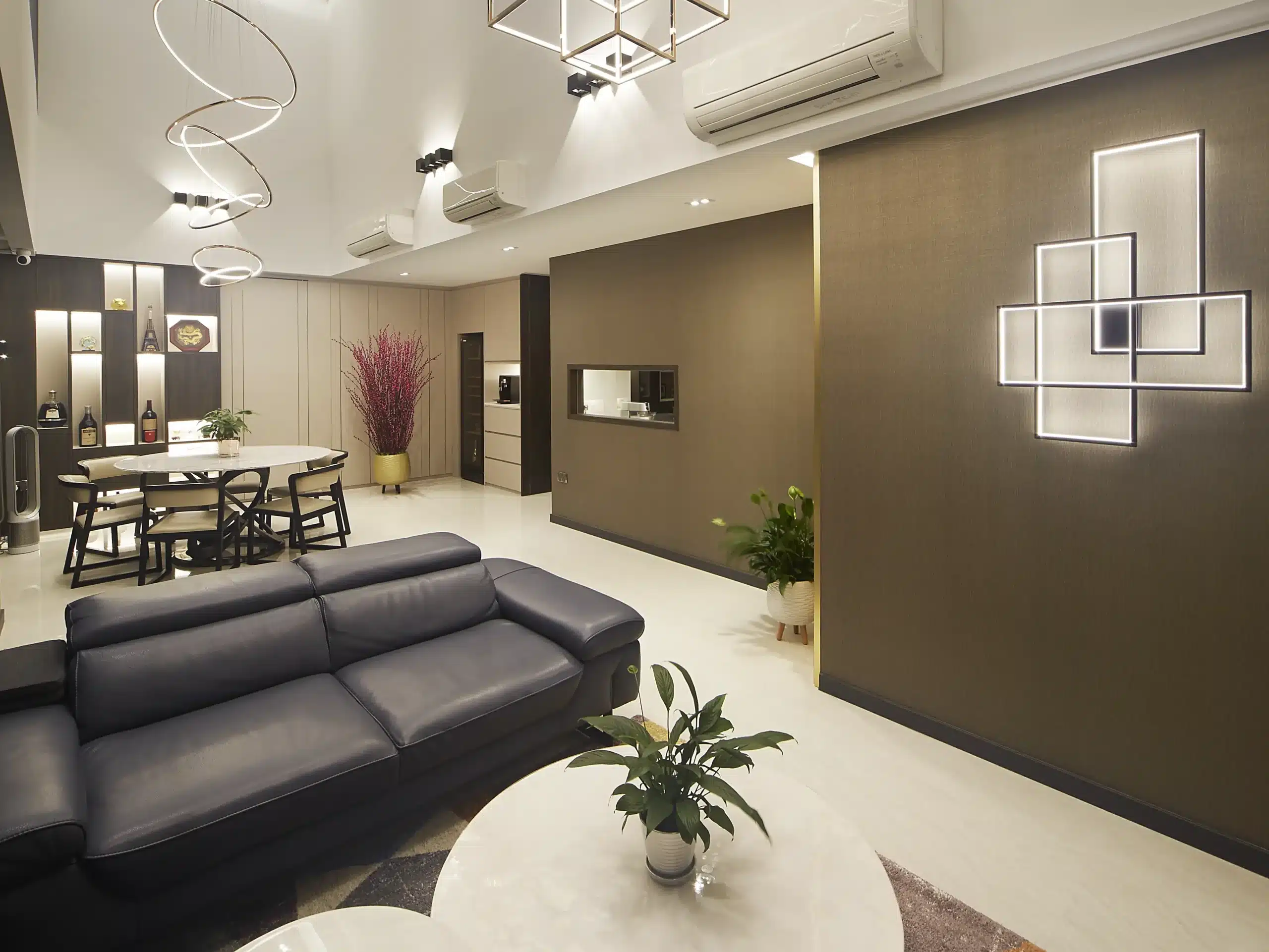
Accent lighting highlights features and adds depth.
Used for:
- Feature walls
- Artwork
- Shelves or display cabinets
Accent lighting is what makes interiors feel “designed” instead of flat.
Lighting Design Tips for Interior Spaces by Room Type
Living Room Lighting Tips
The living room needs flexibility. It’s used for relaxing, entertaining, and sometimes working.
Best practices:
- Combine downlights with floor lamps
- Add warm accent lighting near seating areas
- Avoid placing downlights directly above sofas
Bedroom Lighting Tips
Bedrooms should never rely on bright white ceiling lights alone.
Recommended approach:
- Warm ambient lighting
- Bedside task lighting on both sides
- Soft indirect light for nighttime movement
A simple rule designers follow: if the bedroom looks good only when all lights are off, something went wrong.
Kitchen and Dining Lighting Tips
Kitchen lighting must be functional first.
Key points:
- Bright task lighting for countertops
- Neutral white light for food prep
- Separate lighting control for dining area mood
Dining lights should hang low enough to create intimacy, but not so low that people bump their heads (yes, it happens).
Bathroom Lighting Tips
Bathrooms are tricky because faces need even lighting.
Avoid:
- Single downlight directly above the head
Better options:
- Vertical lighting beside mirrors
- Soft ambient lighting for nighttime use
Choosing the Right Light Color and Brightness
Lighting is not just about fixtures. Color temperature and brightness matter more than most people think.
Common Lighting Types Explained
| Lighting Type | Kelvin (K) | Best Use |
|---|---|---|
| Warm White | 2700K–3000K | Bedrooms, living rooms |
| Neutral White | 3500K–4000K | Kitchens, bathrooms |
| Cool White | 5000K+ | Offices, task-heavy areas |
A common mistake is mixing too many color temperatures in one room. The eye notices, even if people can’t explain why it feels off.
Common Interior Lighting Mistakes to Avoid
From real renovation projects, these come up often:
- Too many downlights in a small room
- Ignoring natural light direction
- No dimmer switches installed
- Lighting planned after carpentry is fixed
- Decorative lights with poor light output
Lighting should be planned together with layout, ceiling design, and furniture placement. Not after.
How Professional Designers Approach Lighting Design
Experienced interior designers don’t pick lights first. They ask questions:
- How is the space used daily?
- Who uses it, and at what time?
- Where does natural light come from?
- What mood should the room have?
At ARTrend, lighting design is treated as part of the overall interior planning process, not an add-on. With decades of experience across residential homes, commercial offices, and renovation projects in Singapore, lighting decisions are usually made early, before ceilings and layouts are finalized. This avoids costly rework and awkward lighting placements later.
Step-by-Step: Planning Interior Lighting the Right Way
- Identify room function and daily habits
- Plan ambient lighting first
- Add task lighting where clarity is needed
- Use accent lighting to add depth
- Select color temperature consistently
- Install dimmers for flexibility
- Test lighting before final handover
Simple steps, but often skipped.
Pro Tips from Real Interior Projects
- Always add more lighting points than you think you need
- Dimmers are cheaper than redesigning lighting
- Test lighting at night, not just during daytime walkthroughs
- Don’t rely on showroom lighting to judge brightness
Small details, big difference.
Conclusion: Get Lighting Right from the Start
Lighting design tips for interior spaces are not about trends or fancy fixtures. They are about comfort, function, and long-term satisfaction. When lighting is planned properly, interiors feel natural and effortless. When it’s rushed, problems show up every single day.
If you’re planning a renovation or interior upgrade, it’s important to work with a team that understands lighting as part of the full design process. ARTrend integrates lighting planning into interior design and renovation work, ensuring that spaces don’t just look good on paper, but actually feel right when lived in.
For professional interior and lighting design guidance backed by real project experience, explore more at artrend.com.sg and see how thoughtful lighting can completely change a space.
FAQs (Frequently Asked Questions)
How many lights should a room have?
It depends on room size, ceiling height, and function. More lights do not mean better lighting.
Is warm light always better for homes?
Mostly yes, but kitchens and bathrooms usually benefit from neutral white lighting.
Are LED lights good for interior design?
Yes. Modern LEDs are energy-efficient, long-lasting, and available in many color temperatures.
Should lighting be planned before renovation starts?
Absolutely. Lighting should be planned together with layout and carpentry.
Can bad lighting ruin good interior design?
Yes. Even expensive materials look poor under bad lighting.
How many lights should a room have?
It depends on room size, ceiling height, and function. More lights do not mean better lighting.
Is warm light always better for homes?
Mostly yes, but kitchens and bathrooms usually benefit from neutral white lighting.
Are LED lights good for interior design?
Yes. Modern LEDs are energy-efficient, long-lasting, and available in many color temperatures.
Should lighting be planned before renovation starts?
Absolutely. Lighting should be planned together with layout and carpentry.
Can bad lighting ruin good interior design?
Yes. Even expensive materials look poor under bad lighting.