
Retail Design Tips in Singapore: What It Really Means Today
When people search for retail design tips in Singapore, they’re usually not looking for complicated theories. They want simple, practical ideas that make a store look better, feel more welcoming, and subtly encourage customers to stay longer or buy more. In a compact, fast-moving city like Singapore, retail design goes beyond pretty lighting or stylish racks. It’s about understanding how locals shop, how they move inside stores, and how small design cues influence behavior.
Many retail design tips in Singapore actually come from everyday observation. You might notice how shoppers drift into a boutique at Jewel simply because the entrance feels open and uncluttered. Or how people skip a well-located shop because the interior feels too tight and overwhelming.
Some of the ideas in this guide are also inspired by teams like ARTrend, who work across retail, Commercial Services, and modern workspace design Singapore. They’ve seen firsthand what makes a space feel “naturally” comfortable without screaming for attention.
Why Retail Design in Singapore Has Its Own Personality
Singapore’s retail environment has its quirks:
- A mix of tourists, office workers, students, and locals creates unpredictable foot traffic.
- The hot, humid weather means many enter stores just to cool down first.
- Malls compete heavily, almost every district has a new or renovated mall every few years.
- Shoppers here notice details, and they judge spaces quickly.
Pro Tip: Small stores aren’t a problem. Cluttered stores definitely are.
Understanding these realities is the foundation of effective retail design tips in Singapore.
Retail Design Tips in Singapore That Actually Work
These aren’t theoretical. They’re based on real observations, local shopping habits, and design approaches often used in Singapore’s retail and Commercial Services industries.
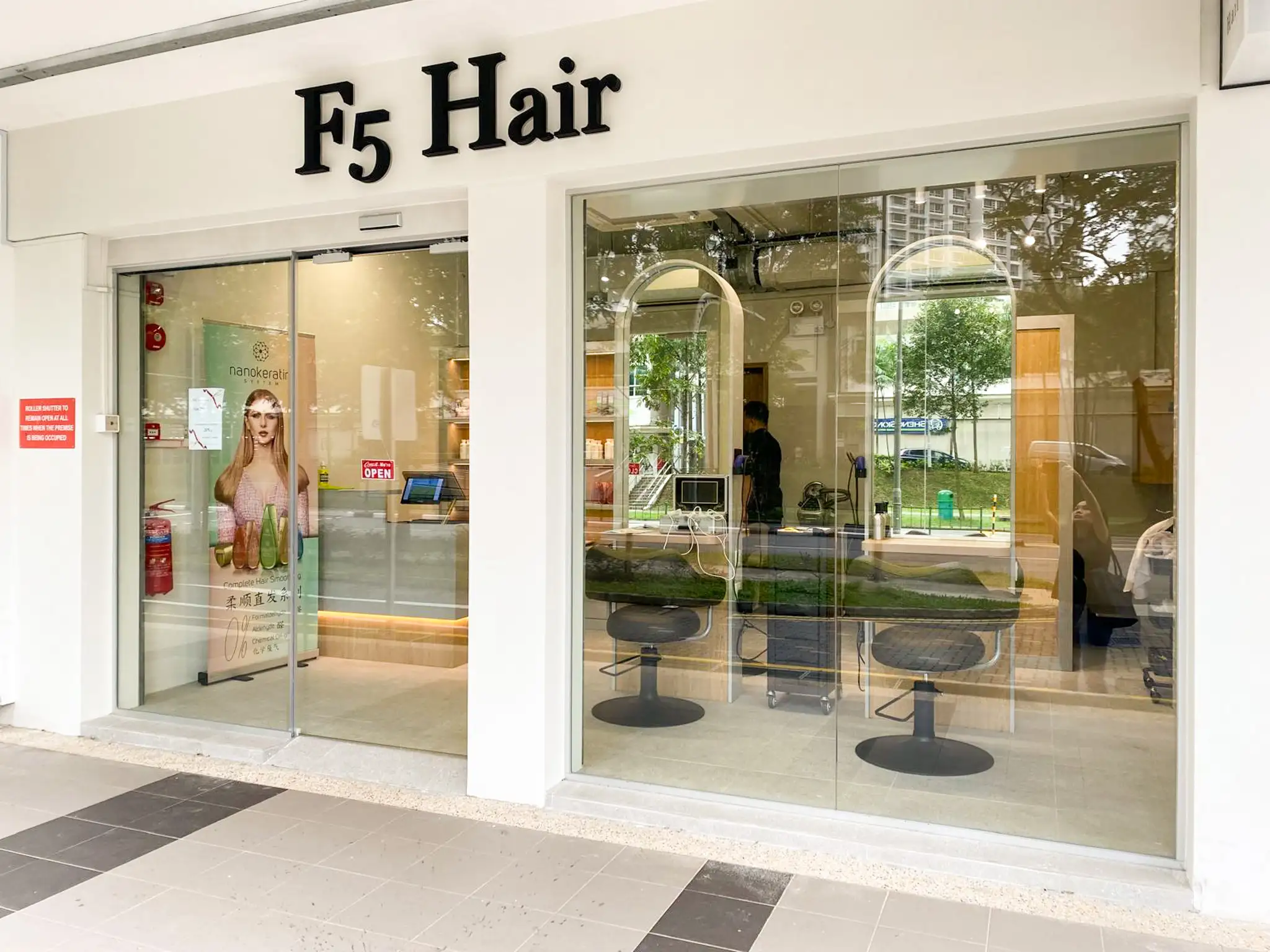
1. Build an Open, Welcoming “Front Zone”
I once saw people pause outside a shop in Somerset, just for a second. No huge promotion, nothing flashy. It just looked easy to step into. And that was enough.
Try this:
- Keep at least 1.2–1.8m of open space at the entrance
- No tall shelves blocking the first steps
- Use warm lighting near the door
- Showcase just a few key products
Pro Tip: The entrance is more like a friendly nod than a sales pitch.
2. Use Lighting to Guide Movement, Not Just Decorate
Some shops in Singapore love strong spotlighting, sometimes too strong. Harsh lighting pushes people away. Gentle, focused lighting draws them in.
Lighting Cheat Sheet (Simple Table)
| Store Area | Light Type | Goal |
|---|---|---|
| Entrance | Warm soft | Slow visitors down |
| Feature walls | Track lights | Highlight best items |
| Aisles | Neutral soft | Comfortable navigation |
| Cashier | Neutral white | Clear, calm |
| Fitting rooms | Diffused | Flattering and relaxing |
Pro Tip: Lighting shapes emotions, and emotions shape spending.
3. Plan a Customer Path That Feels Like a Story
Good stores feel like a journey. Not chaotic. Not too pushy.
A layout often used in Singapore:
- Transition zone: clean, uncluttered
- Discovery zone: mid-height displays
- Hero zone: spotlight items
- Slow zone: mirrors, seats, testers
- Checkout: friendly, warm, simple
Pro Tip: If customers don’t pause anywhere, the story isn’t working.
4. Make Aisles Wider Than You Think
One of the most common mistakes in small Singapore stores is cramming too many shelves.
Ideal widths:
- Minimum: 90cm
- Comfortable: 110–130cm
- Browsing-focused: 140cm
Narrow aisles make customers feel like they’re “in the way,” and that’s never a good feeling.
Pro Tip: Two people should walk past without squeezing sideways.
5. Mix Display Heights, It Creates Visual Rhythm
Only tall racks? Intimidating.
Only low ones? Too empty.
Use a combination:
- 80–100cm → New arrivals
- 120–140cm → Best sellers
- 180cm+ → Only for walls or storage
Pro Tip: A balanced rhythm keeps eyes moving naturally.
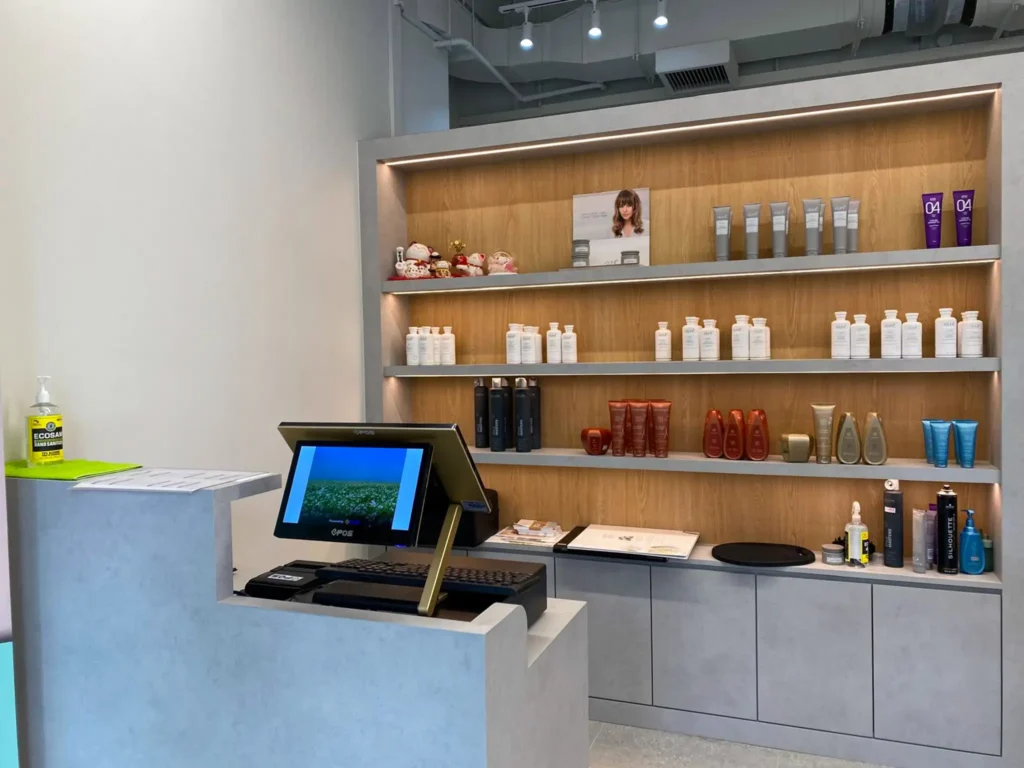
6. Make the Checkout Area Friendly table
Some stores in Singapore make their cashier counter feel like a mini fortress. It doesn’t have to be that way.
Try:
- A small plant
- Warmer lighting
- One or two impulse buys
- A lower, open counter
- Staff smile that isn’t forced
Pro Tip: The checkout is the “final chapter” of the store experience.
Quick Data Snapshot: What SG Shoppers Respond To
Observation Result Harsh lighting Shorter stays Narrow aisles Fewer purchases Open front area Higher entry rate Varied display heights Better product discovery Soft background music Longer browsing time
| Observation | Result |
|---|---|
| Harsh lighting | Shorter stays |
| Narrow aisles | Fewer purchases |
| Open front area | Higher entry rate |
| Varied display heights | Better product discovery |
| Soft background music | Longer browsing time |
Pro Tip: Comfort = time = revenue.
Conclusion: Your Next Step
Retail design isn’t about looking fancy, it’s about how people feel inside your store. In Singapore, where space is limited but expectations are high, a few small improvements in lighting, layout flow, front-zone clarity, and display planning can transform the entire shopping experience.
If you’re planning a new store or improving an existing one, you can explore more ideas on our website. Teams like Artrend, who work across retail interiors, Commercial Services, and even modern workspace design Singapore, can help translate these concepts into something tailored to your space and your brand not overly technical, but effective.
Pro Tip: Good retail design doesn’t scream. It gently guides.
Whenever you’re ready, you can head over to our website to explore deeper insights, examples, and practical steps for building a store environment customers genuinely enjoy.
FAQs (Frequently Asked Questions)
What are the most important retail design tips in Singapore?
Lighting layers, entrance anchors, and good circulation paths matter the most.
How can small stores maximize space?
Vertical shelving and single-path flow layouts are the easiest and most efficient.
Does store scent matter?
Yes. A light, subtle scent increases dwell time and emotional comfort.
Are mirrors useful for retail layout?
Absolutely. They open up the space visually and slow customer movement naturally.
Should I hire professional retail designers?
If budget allows, yes. Firms like artrend and other Commercial Services specialists understand local customer behaviour better than DIY attempts.
What are the most important retail design tips in Singapore?
Lighting layers, entrance anchors, and good circulation paths matter the most.
How can small stores maximize space?
Vertical shelving and single-path flow layouts are the easiest and most efficient.
Does store scent matter?
Yes. A light, subtle scent increases dwell time and emotional comfort.
Are mirrors useful for retail layout?
Absolutely. They open up the space visually and slow customer movement naturally.
Should I hire professional retail designers?
If budget allows, yes. Firms like artrend and other Commercial Services specialists understand local customer behaviour better than DIY attempts.