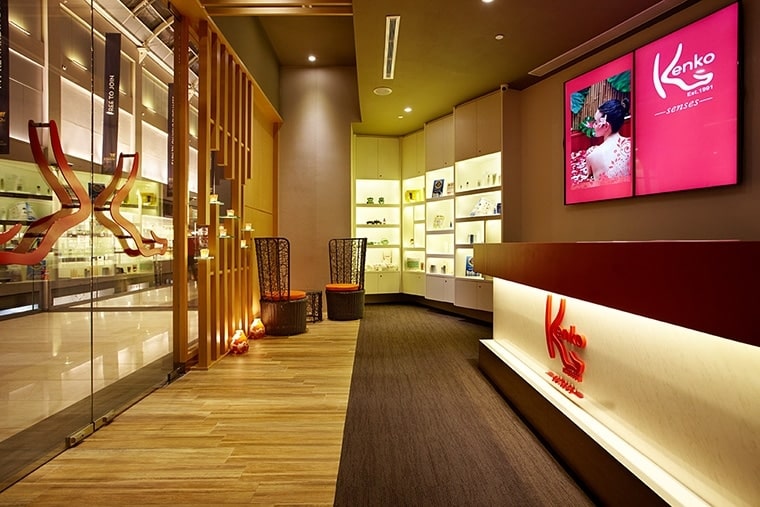
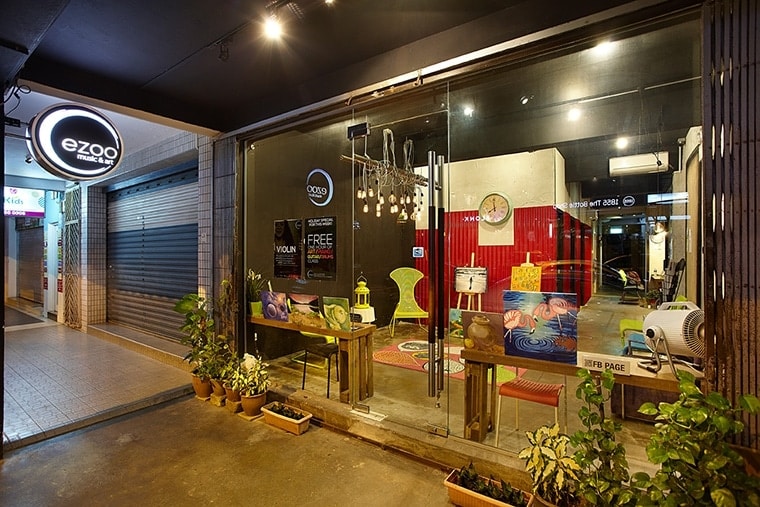
Retail store design ideas in Singapore refer to strategic interior planning concepts used to enhance customer engagement, improve store functionality, and maximize sales performance within physical retail spaces. These ideas combine layout optimization, brand identity, lighting strategy, customer flow planning, and visual merchandising to shape how shoppers interact with a store.
In a highly competitive retail environment like Singapore, retail design is no longer just about looking attractive. It plays a direct role in influencing buying behavior, brand perception, dwell time, and conversion rates. A well-designed retail store becomes a silent salesperson that guides, persuades, and builds loyalty.
Why Retail Store Design Matters in Singapore’s Competitive Market
Singapore’s retail scene is fast-paced, experience-driven, and highly visual. Shoppers expect not only products, but also immersive and convenient shopping experiences. Retail store design in Singapore is crucial because it:
Shapes first impressions within seconds
Influences product visibility and accessibility
Supports branding consistency
Drives customer movement and browsing behavior
Enhances emotional connection with the brand
Improves operational efficiency for staff
Well-executed retail design does not just attract foot traffic, it converts it into sales.
Core Principles Behind Effective Retail Store Design Ideas in Singapore
Smart Space Planning and Layout Flow
Efficient layout design ensures smooth customer movement throughout the store. Entry zones, main aisles, focal displays, and checkout areas must work together to create intuitive circulation while maximizing product exposure.
Lighting Strategy for Sales Performance
Lighting is a powerful conversion tool. Accent lighting highlights hero products, ambient lighting improves comfort, and task lighting supports staff efficiency. Proper lighting also strengthens visual merchandising impact.
Brand-Oriented Interior Identity
Successful retail interiors translate brand personality into physical form through colors, textures, materials, and spatial language. This reinforces brand recognition and builds emotional trust.
Merchandising and Display Optimization
Product placement strategies such as eye-level positioning, feature walls, and seasonal zones directly affect purchasing decisions.
Popular Retail Store Design Styles in Singapore
Retail businesses adopt diverse interior styles depending on their target market and product type:
Modern minimalist retail design for clean brand positioning
Luxury retail interiors for premium product experiences
Industrial retail concepts for lifestyle and café brands
Tech-inspired store designs for electronics and gadget outlets
Warm contemporary styles for fashion and beauty retailers
Each style must align with brand values, target customers, and operational workflow.
Step-by-Step Process for Developing Retail Store Design Ideas in Singapore
Step 1 Business and Brand Analysis
This initial stage focuses on understanding the business identity and commercial goals. Designers study the brand personality, target customer profile, pricing positioning, and product categories to ensure the retail environment reflects the brand accurately. Sales objectives, customer behavior patterns, and competitive positioning are also analyzed so the store layout and visual strategy can directly support revenue growth.
Step 2 Site Evaluation and Space Planning
At this stage, the physical site is carefully evaluated to determine its structural limitations and technical capabilities. This includes reviewing ceiling height, column placement, electrical load capacity, ventilation, fire safety access, and storage potential. Based on these findings, space planning is developed to create efficient customer circulation, optimal product zoning, and smooth staff workflow.
Step 3 Design Concept Development
During this phase, the approved business direction is translated into a cohesive visual and spatial experience. Designers create mood boards, color palettes, lighting moods, material selections, and brand storytelling elements that define how the store will look and feel. The goal is to ensure the interior atmosphere supports brand recognition while enhancing customer engagement and comfort.
Step 4 Technical Design and Material Selection
Once the concept is finalized, detailed technical drawings and specifications are prepared. Lighting systems, retail fixtures, display shelving, flooring, wall treatments, and ceiling finishes are selected based on durability, safety, and aesthetic performance. This stage ensures that all materials meet commercial-grade standards and align with the operational needs of the store.
Step 5 Construction and Fit-Out Execution
This is the final stage where the design is brought to life. Construction works, carpentry installation, electrical wiring, lighting setup, and mechanical works are executed according to approved drawings. After core installation, visual merchandising, product displays, and branding elements are installed to complete the overall retail experience. Quality checks and final adjustments ensure the store is fully operational before opening.
Retail Store Design Ideas Based on Business Categories
Fashion boutiques focus on spotlight displays, mirrors, and fitting room comfort
Beauty and skincare stores emphasize clean lines and feature shelving
F&B outlets prioritize customer flow, seating density, and open-kitchen concepts
Electronics shops rely on LED lighting, demo stations, and clear zoning
Lifestyle stores integrate experiential zones and interactive displays
Each industry segment demands a different retail interior strategy.
Retail Store Design vs Home Renovation Concepts in Singapore
Retail design differs significantly from residential design. Retail interiors must:
Prioritize customer psychology over personal comfort
Support high foot traffic and durability
Comply with commercial fire and safety regulations
Drive impulse buying behavior
Enable fast merchandise rotation
Home renovation focuses on privacy and comfort, while retail design centers on persuasion and performance. For insight into how festive residential upgrades differ from commercial projects, you may explore year end home makeover singapore to understand how design strategies vary across different property types and user experiences.
Retail Design Market Insights and Performance Data
Based on regional retail design and consumer behavior studies:
Well-designed retail interiors can improve in-store conversion rates by up to 40 percent
Optimized lighting increases product engagement by up to 30 percent
Strategic layout planning can extend average customer dwell time by 20 to 35 percent
Retail stores with strong brand interiors show higher repeat customer rates
These insights confirm that retail store design ideas in Singapore directly influence revenue performance.
Common Mistakes to Avoid in Retail Store Design
Poor lighting that makes products look unattractive
Overcrowded displays that overwhelm shoppers
Inconsistent branding between interior and marketing
Inefficient checkout placement
Ignoring accessibility and safety regulations
Poor storage planning that disrupts staff workflow
Avoiding these mistakes ensures long-term operational efficiency and customer satisfaction.
How Professional Interior Specialists Add Value to Retail Store Design
Working with experienced commercial interior specialists ensures:
Space planning optimized for sales and customer movement
Full compliance with commercial building and safety regulations
Controlled quality of retail materials and fixtures
Structured construction timelines
Reduced risk of budget overruns
Leading firms such as ARTrend specialize in retail interior planning, commercial renovation, branded environments, and strategic space optimization across Singapore’s retail sector.
Actionable Checklist for Planning Retail Store Design Ideas in Singapore
Define brand identity and target market
Set realistic renovation and fit-out budget
Analyze customer movement and product flow
Choose durable, commercial-grade materials
Plan lighting as a sales tool
Coordinate technical drawings before construction
Schedule merchandising and store launch strategy
Retail success begins with design discipline.
Conclusion: Why Retail Store Design Ideas in Singapore Drive Long-Term Business Growth
Retail store design ideas in Singapore are not simply aesthetic enhancements. They are powerful business growth tools that influence customer behavior, brand perception, operational performance, and revenue generation. A strategically designed retail environment transforms foot traffic into loyal customers and builds a competitive edge in the commercial market.
For business owners seeking strategic retail interiors, commercial renovation expertise, and brand-focused store environments, we invite you to contact us directly through our official website. Our professional specialists are ready to guide you in developing high-performance retail store design ideas in Singapore with confidence, clarity, and measurable return on investment.
FAQs (Frequently Asked Questions)
What is the most effective retail store layout in Singapore
Open-loop and grid circulation layouts are most commonly used due to their balance between browsing flow and product visibility.
How long does a retail store renovation take
Most retail store projects take between six to twelve weeks depending on size, approvals, and customization level.
Can retail design really increase sales
Yes. Proper lighting, layout, visual hierarchy, and merchandising strategy directly influence buying behavior and conversion rates.
What is the best lighting for retail shops
A combination of ambient lighting, accent lighting, and spotlighting is ideal for retail spaces.
Is professional retail interior design worth the investment
Yes. Professional retail design reduces costly mistakes, improves brand image, and increases long-term sales performance.