Sustainable Office Design: Creating Greener and Smarter Workspaces in 2026
Sustainable office design in 2026 goes beyond adding a few plants or using recycled furniture. Modern workplaces are now built around energy efficiency, employee wellness, flexible layouts, and environmentally responsible materials that reduce long-term operational impact.
As businesses increasingly prioritize ESG goals and employee well-being, sustainable office interiors have become a strategic investment rather than just a design trend. Companies today want office spaces that improve productivity, reduce environmental footprints, and reflect responsible corporate values.
For businesses in Singapore, sustainable office planning is especially important due to rising energy costs, evolving workplace expectations, and growing awareness of eco-conscious design practices. At ARTrend Design, sustainable office concepts are developed to balance functionality, aesthetics, and long-term efficiency.
Why Sustainable Office Design Matters in 2026
Sustainable office design helps businesses create healthier, more efficient, and future-ready work environments. Modern employees are increasingly drawn to workplaces that support comfort, wellness, and environmental responsibility.
In 2026, sustainable office spaces commonly focus on:
Lower energy consumption
Better indoor air quality
Flexible hybrid workspaces
Durable eco-friendly materials
Natural lighting optimization
Reduced renovation waste
Businesses are also recognizing that sustainable office environments can positively impact employee retention, workplace satisfaction, and brand reputation.
Key Features of Sustainable Office Design
A successful sustainable office design combines environmental responsibility with practical workplace functionality. The goal is not only to reduce environmental impact but also to improve operational performance over time.
Energy-Efficient Lighting Systems
Lighting significantly affects office energy consumption. Modern sustainable offices use LED systems, motion sensors, and smart lighting controls to minimize electricity usage.
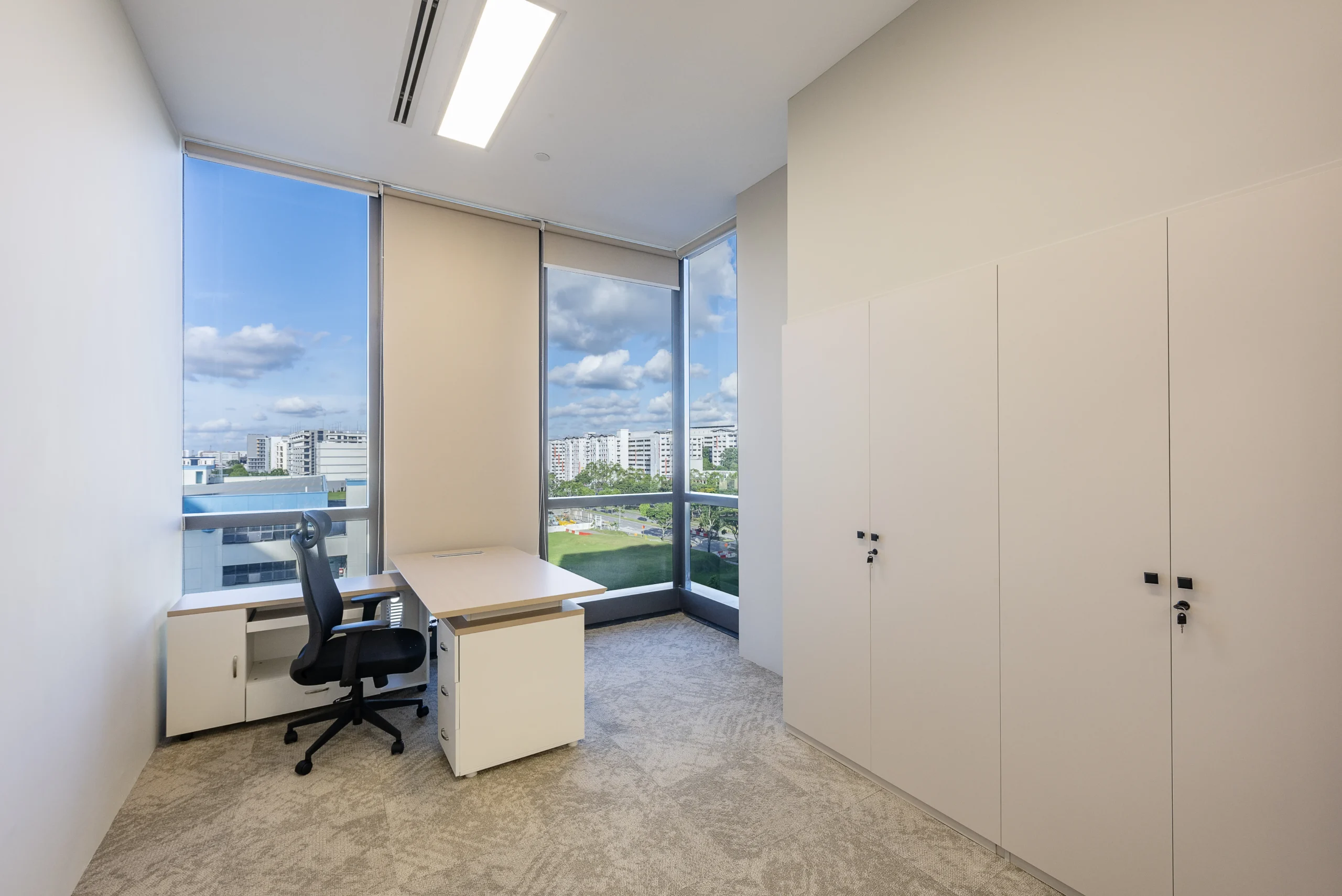
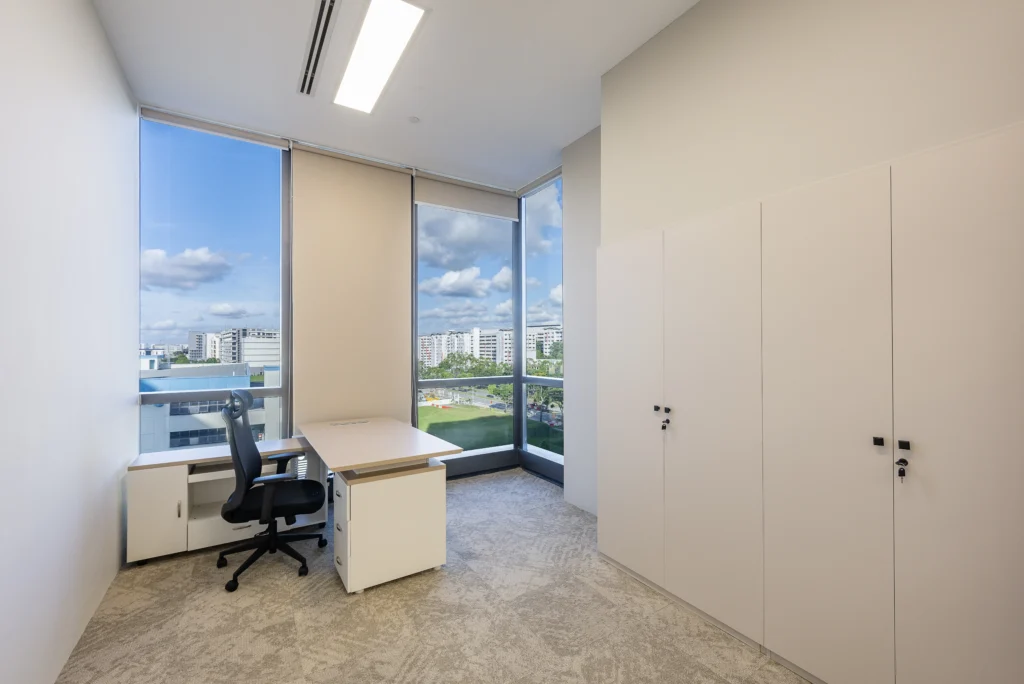
Large windows and open layouts are also commonly used to maximize natural daylight while reducing dependence on artificial lighting.
Eco-Friendly Materials
Sustainable offices prioritize materials with lower environmental impact and higher durability. Popular choices include:
Recycled wood
Low-VOC paint
Bamboo flooring
Reclaimed furniture
Recyclable metal finishes
Sustainable laminates
These materials help improve indoor air quality while supporting long-term sustainability goals.
Flexible Workspace Planning
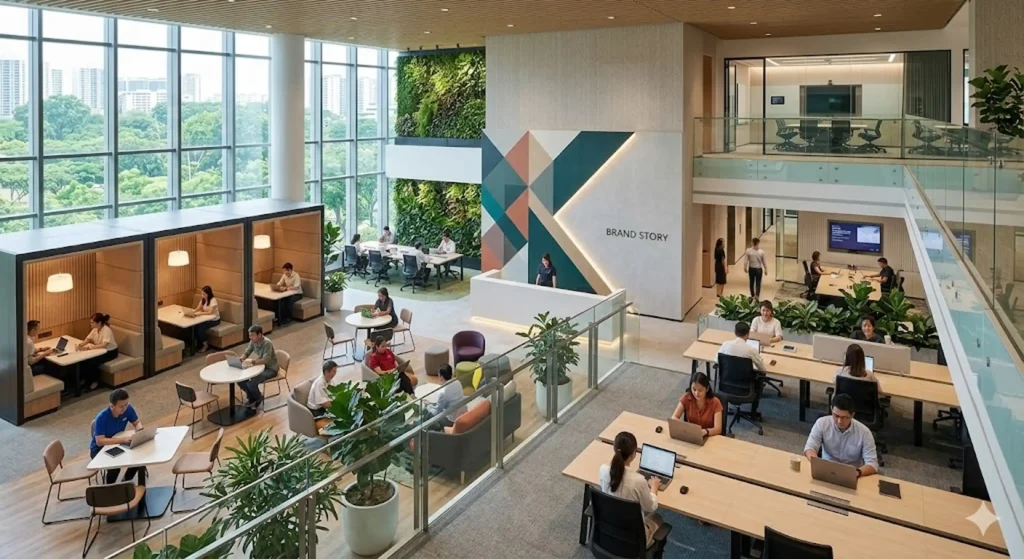
Hybrid work models continue shaping office interiors in 2026. Flexible workspaces allow businesses to optimize space usage while accommodating collaborative and remote work arrangements.
Common flexible office features include:
Modular furniture
Hot-desking areas
Multi-purpose meeting rooms
Collaborative lounges
Quiet focus zones
Sustainable Office Design vs Traditional Office Design
Businesses often compare sustainable office concepts with traditional office setups before renovation planning. The differences usually involve operational efficiency, material choices, and long-term cost benefits.
Feature
Sustainable Office Design
Traditional Office Design
Energy Usage
Optimized and efficient
Higher consumption
Materials
Eco-friendly and recyclable
Conventional materials
Lighting
Natural and LED-focused
Fluorescent-heavy
Workspace Layout
Flexible and adaptive
Fixed configurations
Employee Wellness
Prioritized
Often secondary
Long-Term Costs
Lower maintenance and utility costs
Higher operational costs
Although sustainable office design may involve slightly higher upfront investment, businesses often benefit from lower maintenance and energy expenses over time.
Best Sustainable Materials for Modern Offices
Material selection is one of the most important aspects of sustainable office design. Durable and responsibly sourced materials help reduce waste and improve longevity.
Recommended Flooring Materials
Popular sustainable flooring options include:
Bamboo flooring
Cork flooring
Recycled carpet tiles
Engineered wood
Polished concrete
These materials offer durability while supporting environmentally conscious design objectives.
Sustainable Furniture Choices
Modern sustainable offices increasingly use furniture made from:
Recycled plastics
FSC-certified wood
Reclaimed timber
Modular reusable systems
Businesses are also choosing long-lasting furniture designs to reduce replacement frequency.
For companies exploring holistic eco-conscious interiors, combining office sustainability strategies with sustainable home decor in singapore 2026 concepts can create stronger environmental consistency across residential and commercial spaces.
How Sustainable Office Design Improves Employee Wellness
Employee wellness has become a central focus of workplace design. Sustainable offices are designed to support both physical and mental well-being.
Modern wellness-focused office features include:
Improved air circulation
Ergonomic furniture
Acoustic control solutions
Biophilic design elements
Access to natural lighting
Wellness breakout areas
Studies continue showing that healthier office environments can improve concentration, productivity, and employee satisfaction
Smart Technology in Sustainable Offices
Technology plays a major role in modern sustainable office design. Smart systems help businesses monitor and optimize energy use more efficiently.
Popular smart office technologies in 2026 include:
Automated lighting controls
Smart HVAC systems
Occupancy sensors
Energy monitoring dashboards
Smart meeting room scheduling
Touchless office systems
These technologies not only reduce environmental impact but also improve operational convenience.
ARTrend Design often integrates smart workplace planning into sustainable office projects to support long-term adaptability and energy optimization.
Common Mistakes to Avoid in Sustainable Office Renovation
Even businesses with good intentions can make costly mistakes during sustainable office renovations. Careful planning is essential for achieving meaningful results.
Focusing Only on Aesthetics
Sustainability is not simply about visual design. Functional efficiency, durability, and energy performance are equally important.
Ignoring Employee Needs
Office sustainability should support how employees actually work. Poorly planned layouts can reduce productivity despite attractive design concepts.
Choosing Cheap Short-Term Materials
Low-cost materials often require faster replacement, generating more waste and maintenance costs in the long run.
Poor Space Planning
Inefficient layouts can increase lighting, cooling, and operational demands unnecessarily.
Sustainable Office Design Trends in Singapore for 2026
Singapore businesses are rapidly adopting greener office concepts as sustainability becomes a competitive advantage. Companies increasingly want offices that align with ESG initiatives and modern workforce expectations.
Current office design trends include:
Carbon-conscious materials
Energy-saving lighting systems
Biophilic office environments
Multi-functional workspaces
Smart office automation
Wellness-oriented layouts
Sustainable acoustic solutions
Many businesses are also pursuing green building certifications to strengthen environmental credibility.
How to Choose the Right Sustainable Office Design Partner
Selecting an experienced interior design company is crucial for achieving effective sustainable office results. The right design partner should understand both environmental principles and workplace functionality.
When evaluating office interior designers, consider:
Experience with sustainable projects
Space planning expertise
Material sourcing knowledge
Smart technology integration
Project management capabilities
Understanding of local regulations
A knowledgeable design firm can help businesses balance sustainability goals, employee comfort, and operational efficiency effectively.
Conclusion
Sustainable office design in 2026 is about creating healthier, smarter, and more efficient workspaces that support both business performance and environmental responsibility. From eco-friendly materials and flexible layouts to smart technology integration and employee wellness features, sustainable offices are becoming essential for modern companies.
As workplace expectations continue evolving, investing in sustainable office interiors can provide long-term operational benefits while strengthening brand reputation and employee satisfaction.
To explore customized sustainable office solutions tailored for modern businesses in Singapore, visit ARTrend Design and discover innovative interior concepts designed for future-ready workplaces.
FAQs (Frequently Asked Questions)
What is sustainable office design?
Sustainable office design means creating workspaces using eco-friendly materials, energy‐efficient systems, good airflow and natural light to reduce environmental impact while promoting employee well-being.
Which materials are considered sustainable for offices?
Reclaimed wood, bamboo, cork, steel, low-VOC paints, non-toxic adhesives, and certified fabrics are good choices.
How does natural light and ventilation contribute to sustainability?
They reduce the need for artificial lighting and HVAC cooling, improve energy efficiency, and positively affect mood, health, and productivity.
Can technology help make an office more sustainable?
Yes. Smart building systems, IoT sensors, motion-sensor lights, and cloud-based collaboration tools reduce waste, energy use, and improve operational efficiency.
What are the business benefits of sustainable office design?
Improved employee productivity and retention, enhanced brand reputation, and long-term cost savings from lower maintenance and energy bills